The Vital Role of Waterfronts in Urban Community Development
Waterfronts have long served as the heart of harbor cities, functioning as dynamic spaces where commerce, culture, and community converge. These distinctive areas along coastlines, rivers, and lakes represent far more than mere geographic features; they are vital engines of social cohesion, economic vitality, and cultural identity. As urban planners and city leaders increasingly recognize the importance of waterfront revitalization, understanding how these spaces foster community connection becomes essential for building thriving, livable cities.
Historical Significance and Modern Transformation
Throughout history, waterfronts have been the lifeblood of harbor cities. From ancient trading ports to industrial-era shipping hubs, these areas have shaped the economic and social fabric of communities worldwide. However, the decline of traditional waterfront industries in many developed nations created opportunities for transformation. Today’s waterfront redevelopment initiatives focus on creating inclusive, accessible spaces that prioritize community engagement over purely commercial interests.
Modern waterfront projects demonstrate how strategic urban planning can reclaim neglected areas and reinvent them as vibrant community gathering spaces. Cities from Copenhagen to San Francisco have successfully transformed their waterfronts into mixed-use destinations that blend residential, commercial, and recreational amenities while preserving historical character and environmental integrity.
Creating Inclusive Public Spaces
Successful waterfront development prioritizes accessibility and inclusivity. Well-designed public spaces along the water encourage people from all backgrounds and socioeconomic circumstances to gather, interact, and build meaningful connections. Key features of these inclusive spaces include:
- Free or low-cost recreational facilities and attractions
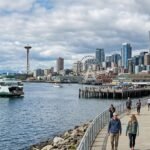
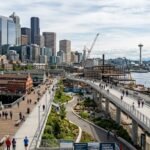
- Pedestrian-friendly pathways and waterfront promenades
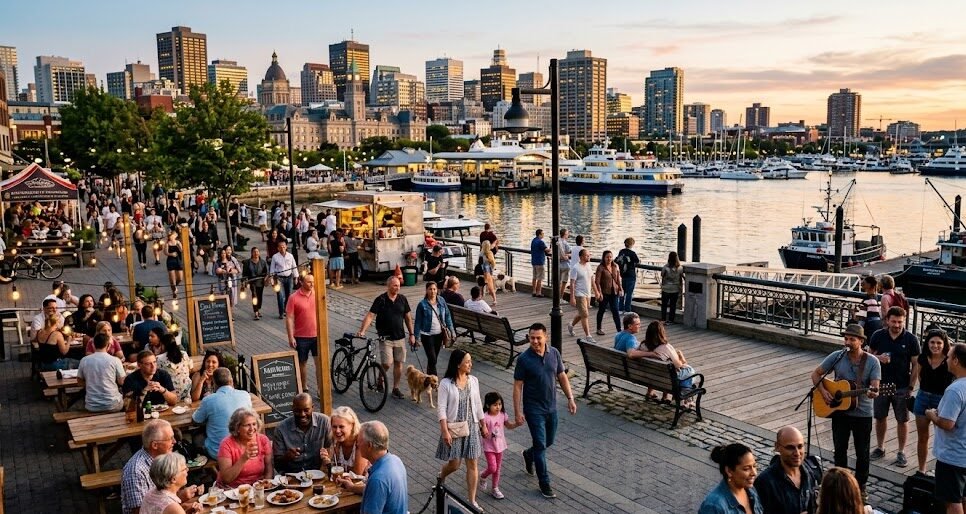
- Diverse dining and entertainment options catering to various tastes and budgets
- Public seating areas and gathering spaces
- Accessible design accommodating individuals with disabilities
- Well-maintained parks and green spaces
When waterfronts are designed with community needs in mind, they become genuine third places—spaces beyond home and work where people naturally congregate, fostering spontaneous interactions and strengthening the social bonds that hold communities together.
Economic Benefits and Local Growth
Beyond their social significance, revitalized waterfronts generate substantial economic benefits for harbor cities. Waterfront development projects typically attract investment, create employment opportunities, and increase property values in surrounding neighborhoods. Small businesses, restaurants, and cultural venues flourish in vibrant waterfront districts, contributing to local tax bases and economic resilience.
Tourism also plays a significant role in waterfront economics. Attractive waterfront areas draw visitors who spend money at local establishments, stay in nearby hotels, and patronize regional attractions. This economic activity supports not only direct employment but also stimulates broader community development and infrastructure improvements.
Cultural Identity and Placemaking
Waterfronts serve as powerful symbols of city identity and heritage. Harbor cities derive much of their character from their relationship with water, and thoughtfully designed waterfront spaces celebrate this unique identity. Public art installations, historical markers, cultural festivals, and community events held in waterfront areas help residents and visitors understand the area’s heritage while creating shared experiences that strengthen community bonds.
Effective waterfront placemaking acknowledges local history and incorporates authentic cultural elements. Whether through restored historic buildings, public art reflecting local themes, or events celebrating maritime traditions, these efforts create distinctive, memorable places that residents take pride in and visitors appreciate, fostering a stronger sense of belonging and community ownership.
Environmental Stewardship and Sustainability
Modern waterfront development increasingly integrates environmental sustainability as a core principle. Restored waterfront areas provide opportunities to address environmental challenges while enhancing community connection to natural systems. Sustainable waterfront practices include:
- Habitat restoration and wetland preservation
- Water quality improvement initiatives
- Green infrastructure and native plantings
- Pedestrian and cycling infrastructure reducing vehicle dependency
- Climate resilience and flood mitigation measures
- Wildlife corridor protection and enhancement
When communities engage in environmental stewardship of their waterfronts, residents develop deeper connections to place and invest emotionally in their city’s health and sustainability. This engagement often catalyzes broader community action on environmental issues.
Programming and Community Engagement
Vibrant waterfronts require thoughtful programming and ongoing community engagement. Successful harbors cities host diverse events and activities that draw people to waterfront spaces throughout the year, including outdoor concerts, farmers markets, sporting events, seasonal festivals, and community celebrations.
Regular programming serves multiple functions: it provides free or affordable entertainment, creates gathering opportunities, supports local vendors and performers, and keeps waterfront spaces animated and welcoming. When residents regularly spend time in these spaces, informal social networks develop, strengthening the community fabric.
Residential Integration and Mixed-Use Development
Harbor cities increasingly incorporate residential components into waterfront developments, creating neighborhoods where people live, work, and play in close proximity. This mixed-use approach generates foot traffic that supports local businesses, creates natural surveillance that enhances safety, and fosters the kind of everyday interactions that build community cohesion.
Residential waterfront development must carefully balance housing affordability with market realities, ensuring that waterfront neighborhoods remain accessible to people across income levels. Some forward-thinking cities implement inclusionary housing policies, community land trusts, and affordable housing requirements in waterfront developments to prevent displacement and maintain community diversity.
Infrastructure and Connectivity
Successful waterfronts are well-integrated with surrounding neighborhoods through thoughtful infrastructure design. Bridges, pathways, and transit connections that link waterfront areas to adjacent communities ensure that these spaces serve the broader population, not just tourists or affluent residents. Pedestrian and cycling infrastructure encourages people of all ages and abilities to access waterfront amenities.
Effective wayfinding, clear signage, and convenient public transportation options make waterfronts more accessible and encourage their use by diverse populations. When harbor cities invest in connectivity infrastructure, they amplify the waterfront’s role as a community gathering space.