The Rich Heritage of Seattle Fishing
Seattle’s relationship with fishing spans centuries, deeply intertwined with the city’s cultural identity and economic development. The waters surrounding this vibrant Pacific Northwest metropolis have sustained indigenous communities, shaped settlement patterns, and continue to define the region’s character. From the Puget Sound to the rivers that crisscross the landscape, fishing traditions have been passed down through generations, creating a legacy that remains vital to Seattle’s community today.
Indigenous Fishing Traditions and Their Legacy
Long before Seattle’s modern establishment, Native American tribes including the Duwamish, Suquamish, and Muckleshoot people developed sophisticated fishing practices adapted to the region’s unique aquatic ecosystems. These communities understood salmon migration patterns, seasonal variations, and sustainable harvesting methods that allowed fish populations to thrive. Their knowledge systems, refined over thousands of years, represented a profound understanding of marine and freshwater environments.
The spiritual and cultural significance of salmon fishing extended far beyond sustenance. Salmon held central importance in tribal ceremonies, artwork, and social structures. This ancestral knowledge continues to influence contemporary fishing practices and conservation efforts throughout the Puget Sound region, maintaining connections between modern Seattle residents and indigenous heritage.
Early European Settlement and Commercial Fishing Development
The arrival of European settlers in the mid-19th century transformed Seattle’s fishing landscape. Entrepreneurs recognized the abundance of salmon, halibut, and other species, establishing canneries and commercial operations that would drive economic growth. The salmon canning industry became a cornerstone of Seattle’s economy, attracting workers from diverse backgrounds and creating bustling waterfront communities.
Commercial fishing operations expanded rapidly, with vessels departing from Seattle’s harbors to fish Alaska’s waters and distant ocean territories. The industry supported shipbuilding, ice manufacturing, and related trades, establishing Seattle as a major fishing hub on the Pacific Coast. This economic foundation helped transform a modest settlement into a thriving metropolitan center.
Family Fishing Traditions and Recreation
Beyond commercial operations, recreational and family fishing has maintained steady importance throughout Seattle’s history. Generations of residents have enjoyed fishing as both leisure activity and means of providing food for their families. Local rivers, lakes, and sound waters continue to attract anglers seeking salmon, steelhead, trout, and other species.
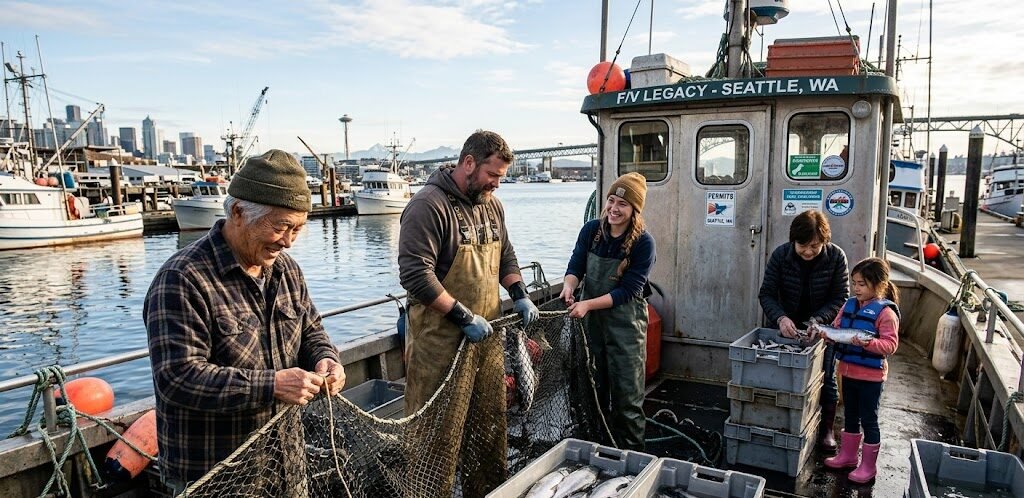
Weekend fishing trips represent cherished family traditions, with grandparents teaching children fundamental skills and passing along environmental knowledge. These recreational practices foster connections to natural spaces and instill appreciation for aquatic ecosystems. Many Seattle families maintain fishing heritage through seasonal outings and participation in community fishing events.
Modern Challenges and Conservation Efforts
Contemporary fishing in Seattle operates within a complex framework of environmental, regulatory, and social considerations. Declining salmon populations due to habitat loss, dam construction, and climate change have prompted significant conservation initiatives. These challenges require collaboration between tribal governments, state agencies, environmental organizations, and fishing communities.
Modern management strategies emphasize sustainable practices and habitat restoration. Efforts to remove dams, restore river systems, and protect critical spawning grounds aim to maintain fish populations for future generations. These initiatives honor both indigenous traditions and contemporary conservation science, recognizing that the future of Seattle’s fishing heritage depends on ecosystem health.
The Cultural Significance of Fishing Today
Fishing remains woven into Seattle’s cultural fabric, represented in local cuisine, artwork, and community identity. Pike Place Market’s renowned seafood vendors reflect the city’s continued connection to its fishing traditions. Annual events, fishing festivals, and educational programs celebrate this heritage while promoting awareness of conservation issues.
Museums and cultural institutions document Seattle’s fishing history, preserving stories of commercial operators, fishermen, and indigenous peoples. These resources provide valuable education about the region’s past while raising awareness about current environmental challenges. Public interest in sustainable seafood and local fisheries indicates growing appreciation for the connections between food, culture, and ecosystem health.
Looking Forward: Sustaining Fishing Traditions
The future of Seattle fishing depends on balancing traditional practices with environmental sustainability. Younger generations inherit both the responsibility to honor ancestral knowledge and the challenge of addressing contemporary environmental concerns. Educational programs introducing youth to fishing skills ensure that this important tradition continues.
Community-based initiatives promote sustainable fishing practices while supporting local fishermen and fishing families. Advocacy for fisheries protection, habitat restoration, and climate adaptation reflects commitment to preserving Seattle’s fishing heritage. By recognizing fishing’s cultural, economic, and spiritual importance, the Seattle region can maintain these time-honored traditions while ensuring healthy aquatic ecosystems for generations to come.
Conclusion
Seattle’s fishing traditions represent far more than economic activity or recreational pursuit. They embody cultural continuity, environmental stewardship, and community values developed over centuries of interaction with the Pacific Northwest’s abundant waters. From indigenous harvesting practices to modern recreational fishing and commercial operations, these traditions reflect humanity’s enduring relationship with aquatic environments. As Seattle continues evolving, honoring and sustaining fishing heritage requires commitment to conservation, respect for indigenous knowledge, and recognition of the profound connections between people, culture, and the natural world.