Understanding the Climate Crisis in Pacific Northwest Fisheries
The Pacific Northwest’s fishing industry stands at a critical juncture as climate change accelerates environmental shifts that threaten both marine ecosystems and the livelihoods of thousands of fishermen. Rising ocean temperatures, changing water chemistry, and shifting migration patterns of fish species are fundamentally altering the region’s seafood landscape, demanding immediate attention from policymakers, industry stakeholders, and environmental scientists.
Rising Ocean Temperatures and Marine Habitat Degradation
One of the most significant threats to Pacific Northwest fisheries is the continuous rise in ocean temperatures. Warmer waters alter the delicate balance of marine ecosystems, affecting oxygen levels and nutrient distribution that fish species depend upon for survival. Salmon, a cornerstone species for the region’s commercial and recreational fishing industries, are particularly vulnerable to temperature fluctuations.
The warming Pacific Ocean creates thermal stress for cold-water species, forcing them to migrate toward cooler depths or northern latitudes. This geographic shift disrupts established fishing patterns and threatens the sustainability of traditional fishing grounds that communities have relied upon for generations.
Ocean Acidification and Chemical Changes
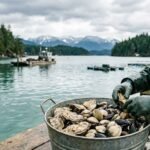
Beyond temperature changes, ocean acidification presents an equally formidable challenge. As atmospheric carbon dioxide increases, the ocean absorbs more CO2, lowering pH levels and creating more acidic conditions. This chemical transformation weakens the shells and skeletal structures of shellfish, including oysters, clams, and crabs—species critical to the region’s commercial fishing operations.
Young shellfish and larval stages of many marine organisms are especially susceptible to acidic conditions, disrupting reproduction cycles and population sustainability. The economic implications extend throughout the supply chain, affecting processors, restaurants, and consumers who depend on these seafood resources.
Altered Fish Migration Patterns
Climate change is fundamentally disrupting the migratory patterns of fish species that Pacific Northwest fishermen have traditionally harvested. Salmon populations, including Chinook, coho, and sockeye varieties, are experiencing unpredictable spawning timelines and altered routes to their native rivers and streams.
These changes complicate fishing operations, reduce catch predictability, and threaten the viability of fishing communities that depend on seasonal harvests. Additionally, shifting food sources and changing ecosystem composition further stress fish populations already challenged by warming waters and reduced freshwater flows.
Economic Impact on Fishing Communities
The fishing industry represents a vital economic engine for the Pacific Northwest, generating billions of dollars annually and supporting thousands of jobs across harvesting, processing, distribution, and retail sectors. Climate-driven changes threaten this economic stability through:
- Declining catch yields and reduced commercial viability
- Increased operational costs as fishermen travel farther for smaller harvests
- Job losses in fishing communities dependent on traditional species
- Reduced tax revenue for local and state governments
- Impacts on indigenous communities with traditional fishing rights and cultural practices
Scientific Research and Monitoring Efforts
Researchers and environmental agencies throughout the Pacific Northwest are intensifying monitoring and research initiatives to better understand climate impacts on fisheries. Advanced modeling techniques, real-time ocean monitoring systems, and long-term population studies provide crucial data for predicting future changes and developing adaptive strategies.
These scientific efforts help identify vulnerable species and ecosystems, track migration patterns, and assess the effectiveness of conservation measures. Collaborative research between government agencies, universities, and nonprofit organizations strengthens the region’s capacity to respond to emerging threats.
Adaptation and Management Strategies
In response to climate threats, fisheries managers are implementing adaptive management strategies designed to build resilience and sustain fish populations. These approaches include:
- Adjusting fishing seasons and catch limits based on population assessments
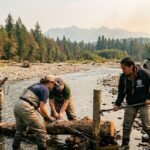
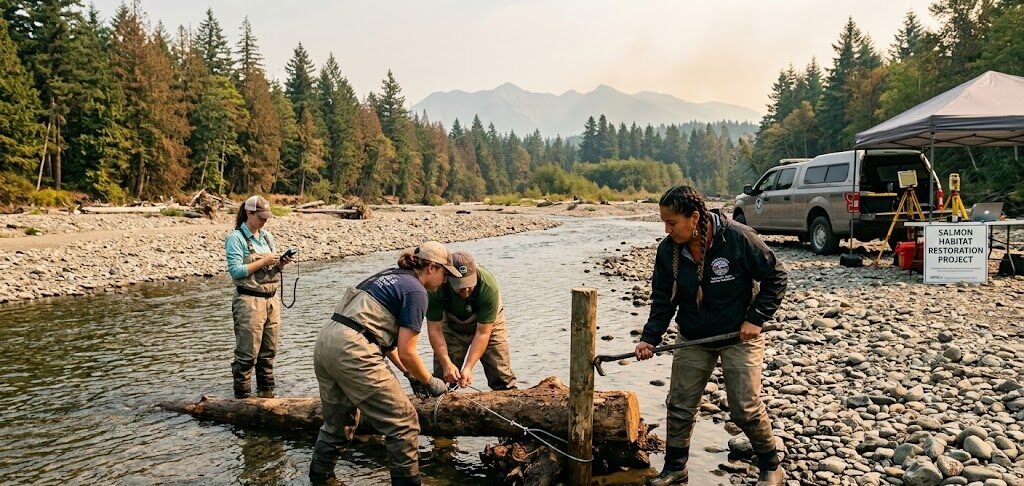
- Investing in habitat restoration and dam removal projects
- Supporting hatchery programs for threatened species
- Promoting sustainable fishing practices that minimize environmental stress
- Diversifying fishing operations to target species better suited to changing conditions
The Role of Policy and Regulation
Effective policy frameworks are essential to address climate-driven fisheries challenges. Comprehensive regulations that limit greenhouse gas emissions, protect critical marine habitats, and support fishing community transitions are necessary components of a broader climate action strategy. Regional collaboration among Pacific Northwest states and international coordination with Canadian authorities strengthens collective efforts to manage shared fish stocks.
Looking Toward the Future
The Pacific Northwest fishing industry faces an uncertain future without decisive climate action and proactive fisheries management. However, the region’s strong scientific community, engaged stakeholders, and commitment to sustainability offer hope for developing innovative solutions.
Success requires sustained investment in climate resilience, support for fishing communities during transitions, and continued research into adaptation strategies. By acknowledging the severity of climate threats and implementing comprehensive management approaches, the Pacific Northwest can work toward preserving its vital fishing heritage while protecting marine ecosystems for future generations.