Introduction to Seattle’s Maritime Heritage
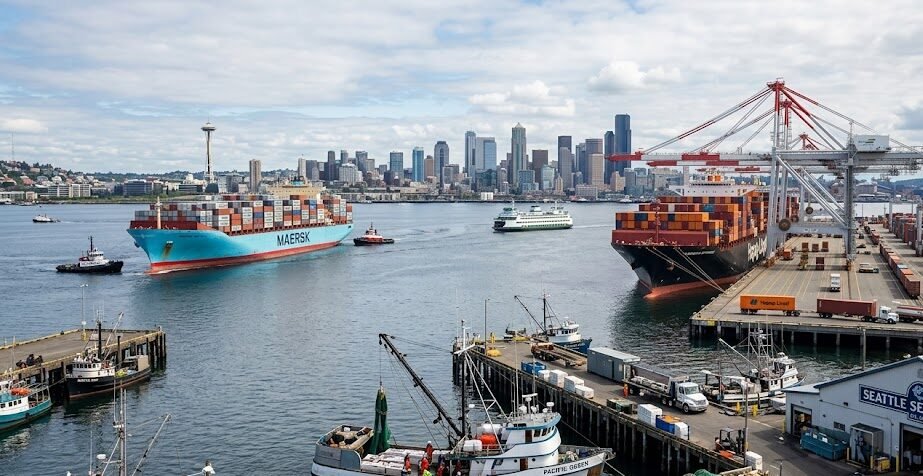
Seattle’s strategic location on Puget Sound has established it as one of North America’s most significant maritime hubs. The city’s economy has been inextricably linked to the sea for over a century, creating a thriving ecosystem of ports, shipping operations, and seafood industries. This maritime foundation continues to shape Seattle’s identity and prosperity, generating billions of dollars in annual economic activity and employment for thousands of residents.
The Port of Seattle: A Gateway to Global Trade
The Port of Seattle stands as one of the busiest and most important ports on the West Coast. Handling millions of tons of cargo annually, the port serves as a critical gateway for international trade, connecting Seattle to markets across Asia, Europe, and beyond. The port’s strategic position makes it an essential hub for container shipping, automotive imports, and break-bulk cargo.
Container Operations and Cargo Handling
Modern container operations form the backbone of the Port of Seattle’s business. The port maintains state-of-the-art facilities capable of accommodating the world’s largest container vessels. These operations require sophisticated logistics coordination, advanced equipment, and a highly skilled workforce trained in cargo handling and maritime operations. The efficiency of these container terminals directly impacts regional competitiveness in global trade.
Economic Impact and Employment
The Port of Seattle directly and indirectly supports over 100,000 jobs throughout the region. From dock workers and maritime engineers to logistics coordinators and customs brokers, the port creates diverse employment opportunities across skill levels and educational backgrounds. Annual wage and tax revenues generated by port operations contribute substantially to the region’s economic vitality and public infrastructure funding.
Shipping and Cruise Industry Operations
Beyond cargo operations, Seattle has become a major hub for the cruise ship industry. The city serves as both a home port and a destination for numerous cruise lines operating in Alaskan and Pacific Northwest routes. This segment of the maritime economy brings tourism dollars, hospitality employment, and international visitor traffic to the region.
Tourism and Port Visits
Cruise ships and visitor vessels generate significant economic benefits through passenger spending, crew wages, and port fees. The scenic beauty of Puget Sound and proximity to Alaska make Seattle an attractive homeport and layover destination. This tourism component diversifies the maritime economy beyond traditional cargo operations, creating seasonal employment and supporting local hospitality businesses.
The Seafood Industry: From Catch to Market
Seattle’s seafood industry represents a vital component of the region’s maritime economy, rooted in the abundant natural resources of the Pacific Northwest. The industry encompasses commercial fishing, seafood processing, distribution, and retail operations that connect local fisheries to global markets.
Commercial Fishing Heritage
The commercial fishing fleet operating from Seattle ports pursues salmon, halibut, crab, and other valuable species throughout Alaskan and Pacific Northwest waters. This fleet includes both traditional vessels and modern fishing operations equipped with advanced navigation and catch-handling technology. The fishing industry maintains deep cultural roots in the region, with many families continuing multi-generational fishing traditions.
Processing and Value-Added Operations
Seafood processing facilities throughout the Seattle area transform raw catch into products destined for domestic and international markets. Modern processing plants employ hundreds of workers in jobs ranging from initial cleaning and filleting to advanced value-added processing such as smoking, freezing, and canning. These operations add significant value to raw seafood products, increasing profit margins and supporting higher-wage employment.
Distribution and Export Markets
Seattle serves as a major distribution hub for Pacific Northwest seafood. Refrigerated cargo handling, specialized packaging facilities, and established trade relationships enable efficient movement of seafood products to markets worldwide. Fresh and frozen seafood exported from Seattle reaches consumers in Asia, Europe, and North America, making the region a key player in global seafood commerce.
Challenges and Opportunities in the Maritime Sector
Seattle’s maritime industries face both challenges and opportunities as they navigate an evolving global economy. Environmental regulations, climate change impacts on fish populations, and international trade dynamics create pressures on traditional operations while spurring innovation and adaptation.
Sustainability and Environmental Stewardship
The maritime industries increasingly prioritize sustainable practices to preserve marine resources and protect ecosystem health. Fishing regulations, habitat restoration initiatives, and environmentally responsible port operations reflect the sector’s commitment to long-term viability. These efforts require investment in new technologies and practices while maintaining economic competitiveness.
Technological Innovation
Automation, data analytics, and advanced logistics technologies are transforming maritime operations. Port authorities implement smart systems for cargo tracking, autonomous equipment operation, and supply chain optimization. The seafood industry adopts technologies for improved processing efficiency, product traceability, and food safety. These innovations enhance productivity while reshaping workforce requirements.
The Future of Seattle’s Maritime Economy
Seattle’s maritime economy is positioned for continued growth and evolution. Infrastructure investments, international trade agreements, and technological advancement create opportunities for expansion in cargo operations, seafood processing, and maritime services. The region’s skilled workforce, established supply chains, and geographic advantages ensure its ongoing importance as a maritime center.
As global trade patterns shift and environmental priorities evolve, Seattle’s maritime industries demonstrate resilience through adaptation and innovation. The integration of traditional maritime practices with modern technology, combined with commitment to sustainability, positions the sector to thrive while serving regional and global markets effectively.
Conclusion
Seattle’s maritime economy represents a complex and vital system connecting the Pacific Northwest to the world. Through ports, shipping operations, and seafood industries, the region generates substantial economic value, employment, and trade benefits. Understanding the depth and significance of these maritime operations provides insight into Seattle’s identity as a global port city and its continued importance in international commerce and resource development.