Introduction to Seattle’s Fishing Industry
Seattle has long been recognized as one of the United States’ most vital fishing hubs, with a rich maritime heritage spanning more than a century. The city’s strategic location on Puget Sound and proximity to the Pacific Ocean have established it as a cornerstone of commercial fishing, seafood processing, and aquaculture innovation. However, as environmental pressures mount and fish populations face unprecedented challenges, the fishing industry must adapt to ensure its viability for future generations.
Current State of Marine Resources
The waters surrounding Seattle support diverse fish populations, including salmon, halibut, cod, and shellfish species that form the backbone of the regional economy. Yet these resources face mounting pressures from climate change, habitat degradation, and overfishing. Understanding the current state of marine ecosystems is essential for developing effective management strategies that balance economic interests with environmental stewardship.
Recent scientific assessments indicate that certain fish stocks require immediate attention and protective measures. The decline in some salmon populations, in particular, has prompted stakeholders across the industry to reevaluate current practices and implement more stringent conservation protocols.
Sustainable Fishing Practices
The transition toward sustainable fishing practices represents a fundamental shift in how Seattle’s fishing community operates. Sustainable practices encompass several key approaches:
- Selective Harvesting: Implementing technologies and techniques that target specific species and sizes, reducing bycatch and protecting juvenile fish populations.
- Quota Management: Establishing science-based catch limits that allow fish populations to regenerate naturally while supporting industry operations.
- Habitat Restoration: Investing in river and coastal habitat improvements that enhance spawning grounds and juvenile survival rates.
- Seasonal Regulations: Enforcing fishing seasons that align with natural reproduction cycles and population dynamics.
- Gear Innovation: Adopting advanced fishing equipment that minimizes environmental impact and increases efficiency.
Technological Innovations in Fisheries Management
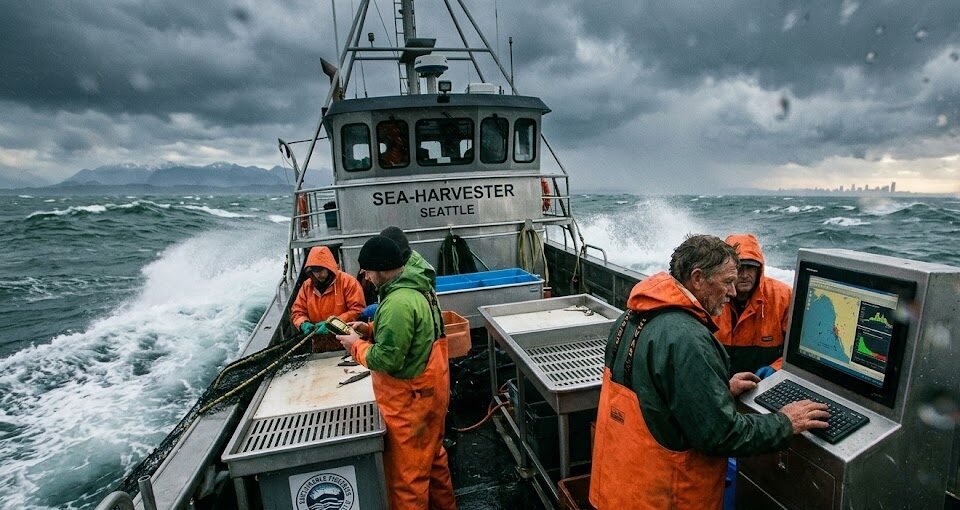
Modern technology is revolutionizing how Seattle’s fishing industry monitors and manages marine resources. Digital tracking systems, artificial intelligence, and real-time data analytics enable fishers to make informed decisions that optimize catch while minimizing environmental impact.
Blockchain technology is emerging as a powerful tool for supply chain transparency, allowing consumers to verify that seafood products originate from sustainable sources. Additionally, advanced sonar systems and underwater drones help scientists better understand fish behavior and population dynamics, informing more effective management policies.
Community and Stakeholder Involvement
The success of Seattle’s sustainable fishing future depends on collaboration among diverse stakeholders, including commercial fishers, tribal nations, environmental organizations, government agencies, and consumers. These groups bring unique perspectives and expertise that strengthen policy development and implementation.
Tribal fishing rights and traditional knowledge play an integral role in sustainable fisheries management. Indigenous communities have stewarded Pacific Northwest waters for thousands of years and continue to contribute invaluable insights into ecosystem health and resource management.
Economic Opportunities in Sustainability
Contrary to outdated perceptions, sustainable fishing practices present significant economic opportunities. Markets increasingly demand responsibly sourced seafood, creating premium pricing opportunities for sustainable producers. Eco-certification programs enhance market competitiveness and consumer confidence, potentially increasing profitability for compliant operations.
The green fishing economy also generates employment in areas such as habitat restoration, technology development, compliance monitoring, and supply chain management. These emerging sectors complement traditional fishing operations and diversify the regional marine economy.
Regulatory Framework and Policy Development
Effective regulation forms the foundation of sustainable fisheries management in Seattle and the broader Pacific Northwest. Federal and state agencies work collaboratively to establish catch limits, enforce fishing regulations, and protect critical habitats through evidence-based policies.
Recent regulatory initiatives include expanded marine protected areas, enhanced bycatch reduction requirements, and stricter environmental impact assessments for fishing operations. These measures, while challenging for some industry participants, are essential for long-term resource preservation.
Education and Industry Training
Preparing the next generation of fishing professionals requires comprehensive education and training programs focused on sustainability principles. Seattle-area institutions offer curricula covering sustainable harvest techniques, ecosystem ecology, regulatory compliance, and advanced fishing technologies.
Continuing education programs help established fishers adapt to new regulations and technologies, ensuring industry-wide knowledge advancement and professional development. Investment in education strengthens the industry’s capacity to embrace sustainable practices and maintain competitiveness in evolving markets.
Challenges and Solutions
The transition to sustainability is not without challenges. Economic pressures, regulatory complexity, and uncertainty regarding population recovery timelines create stress for fishing communities and businesses. However, strategic solutions address these obstacles:
- Economic transition assistance programs support fishers during adjustment periods and help diversify revenue streams.
- Collaborative research initiatives reduce uncertainty and build confidence in management decisions.
- Market development programs promote sustainable seafood brands and expand consumer awareness.
- Infrastructure investments enhance processing efficiency and reduce waste throughout the supply chain.
Looking Forward: A Sustainable Vision
Seattle’s fishing industry stands at a critical juncture, where the decisions made today will determine the sector’s viability decades ahead. A commitment to sustainability represents not a departure from Seattle’s fishing heritage, but rather its evolution and preservation.
By embracing science-based management, technological innovation, and stakeholder collaboration, Seattle can maintain its position as a global fishing leader while ensuring that future generations inherit healthy marine ecosystems and thriving fishing communities. The path to sustainability requires dedication, investment, and collective action—but the benefits for both industry and environment are immeasurable.
Conclusion
Seattle’s sustainable fishing future is achievable through comprehensive commitment to environmental stewardship, economic innovation, and community engagement. As the industry navigates these transitions, its success will serve as a model for coastal communities worldwide, demonstrating that economic prosperity and ecological responsibility are not mutually exclusive but fundamentally interconnected.