Understanding Pacific Northwest Seafood Culture
The Pacific Northwest region, encompassing Washington, Oregon, and northern California, has developed a distinctive and thriving seafood culture that reflects centuries of tradition, indigenous heritage, and modern culinary innovation. This guide explores the rich tapestry of seafood practices, traditions, and flavors that define this remarkable region.
Historical Foundations of Pacific Northwest Seafood
The seafood traditions of the Pacific Northwest are deeply rooted in the region’s geography and indigenous populations. Native American tribes, including the Tlingit, Haida, and Chinook peoples, established sophisticated fishing practices thousands of years ago, recognizing the abundance of the Pacific Ocean and its tributaries. These early communities developed sustainable harvesting methods that honored both the resource and the environment, principles that continue to influence modern Pacific Northwest seafood culture.
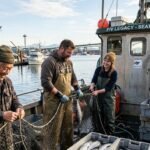
European settlement in the 19th century introduced commercial fishing operations that transformed the region into a major seafood producer. Fish canneries became economic powerhouses, processing salmon, herring, and other species for distribution worldwide. Though the cannery era has largely passed, its legacy remains evident in the region’s fishing communities and culinary identity.
Iconic Pacific Northwest Seafood Species
Salmon: The Signature Species
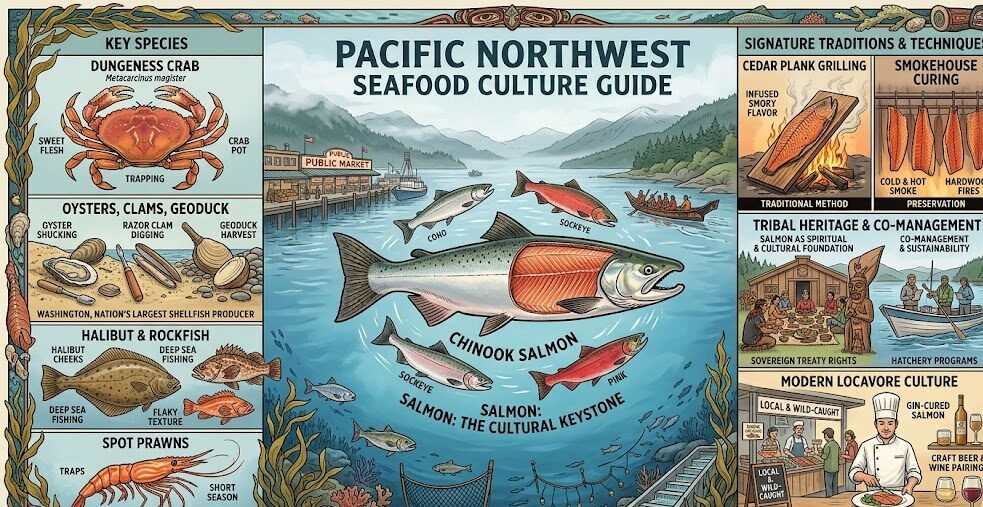
Salmon holds paramount importance in Pacific Northwest seafood culture. Five species thrive in regional waters: Chinook (King), Coho (Silver), Sockeye (Red), Pink, and Chum salmon. Each species offers distinct flavor profiles and culinary applications. Chinook salmon, prized for its rich, buttery flesh, commands premium prices and represents the apex of salmon varieties. Sockeye salmon, known for its deep red color and robust flavor, is particularly valued for smoking and canning.
The cultural significance of salmon extends beyond cuisine. Annual salmon runs continue to captivate communities, inspiring festivals, gatherings, and spiritual observances that celebrate the fish’s remarkable migration journey.
Halibut and White Fish
Pacific halibut represents another cornerstone of regional seafood culture. This large flatfish, found in cold Alaskan and Pacific Northwest waters, offers mild, delicate flesh suitable for numerous preparation methods. Halibut fishing is tightly regulated to ensure sustainability, and the species commands respect among both commercial fishers and recreational anglers.
Lingcod, rockfish, and other white fish species also feature prominently in regional menus and fishing traditions, providing diverse options for both traditional and contemporary preparations.
Shellfish Treasures
The Pacific Northwest’s coastlines and estuaries yield abundant shellfish resources. Dungeness crab, with its sweet, succulent meat, has become iconic to the region. Winter crab season represents a significant cultural event, with markets, restaurants, and home cooks celebrating the harvest.
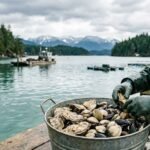
Oysters, particularly Pacific oysters and Olympia oysters native to the region, thrive in coastal waters and bays. These mollusks feature in oyster bars, casual dining establishments, and fine dining venues throughout the region. Clams, mussels, sea urchins, and scallops round out the shellfish offerings, each contributing unique flavors and textures to regional cuisine.
Traditional Preparation Methods
Smoking Techniques
Smoking remains the most iconic preparation method in Pacific Northwest seafood culture. Indigenous peoples perfected smoking techniques over generations, using local woods like alder, cedar, and apple to impart distinctive flavors while preserving fish for long-term storage.
Two primary smoking approaches dominate the region. Cold smoking, conducted at temperatures below 90°F, preserves the raw texture while infusing smoky flavor. Hot smoking, performed at higher temperatures, cooks the fish while adding smoke flavor. Different species and applications dictate which method applies, and regional variations reflect local preferences and ingredient availability.
Cedar Plank Cooking
Cedar plank preparation showcases indigenous influence on contemporary Pacific Northwest cuisine. Fresh salmon or other fish is placed on cedar planks and cooked slowly over moderate heat, allowing aromatic cedar smoke to infuse the flesh. This method, adapted from traditional cooking techniques, has achieved widespread popularity in home cooking and restaurant kitchens throughout the region.
Grilling and Roasting
The Pacific Northwest’s outdoor culture embraces grilling as a primary seafood preparation method. The region’s milder summers provide excellent grilling weather, and fresh local seafood takes on exceptional character when flame-kissed and simply seasoned. Roasting whole fish in wood-fired ovens and hearth-fired preparations also reflect the region’s culinary traditions.
Modern Seafood Culture and Cuisine
Farm-to-Table and Sustainability
Contemporary Pacific Northwest seafood culture emphasizes sustainability and traceability. Restaurants and consumers increasingly prioritize wild-caught fish from certified sustainable fisheries and responsibly farmed seafood. The region’s fishing communities actively participate in conservation efforts, recognizing that long-term cultural viability depends on environmental stewardship.
Farm-to-table principles permeate regional dining establishments, with chefs building relationships with fishing communities and seafood suppliers. This direct connection ensures quality, supports local economies, and reinforces cultural continuity.
Culinary Innovation
While honoring traditional preparations, Pacific Northwest chefs continually innovate with seafood. Asian influences, particularly from Japanese, Korean, and Vietnamese cuisines, have deeply influenced regional cooking. Techniques such as ceviche preparation, crudo presentations, and modern smoking methods coexist with classic smoked salmon platters and traditional fish preparations.
Fine dining establishments throughout Seattle, Portland, and coastal communities showcase the region’s seafood potential through creative preparations that highlight ingredient quality and sustainability.
Seafood Festivals and Community Celebrations
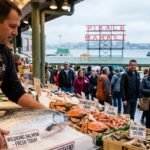
The Pacific Northwest hosts numerous festivals celebrating seafood culture. The Seattle Seafood Festival, held annually, draws hundreds of thousands of visitors to sample regional preparations and learn about fishing traditions. Smaller communities host seasonal celebrations around salmon runs, crab season, and oyster harvests.