
Introduction to Pacific Northwest Shellfish
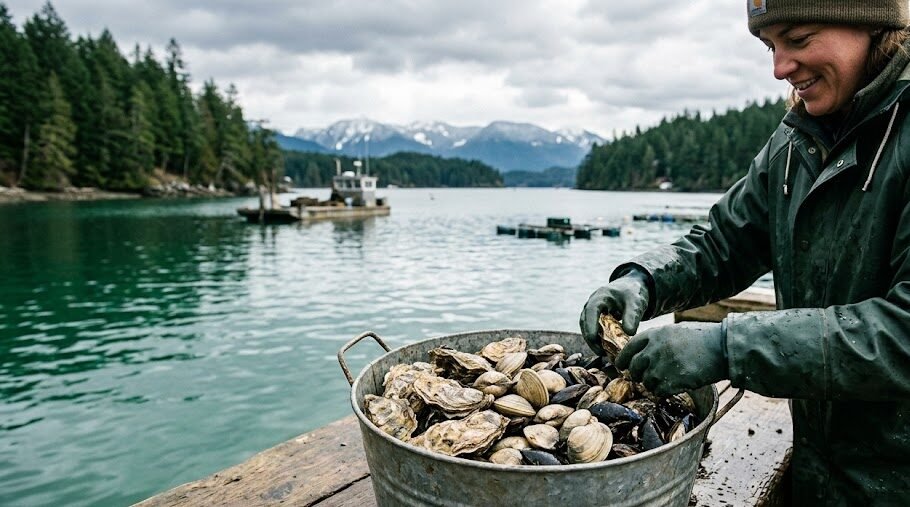
The Pacific Northwest region of North America has established itself as a premier destination for shellfish cultivation and consumption. The unique combination of cold, nutrient-rich waters, ideal geographic conditions, and rigorous quality standards has positioned this region as a leader in producing some of the world’s finest shellfish. From oysters to mussels, clams to geoducks, the waters spanning Washington, Oregon, and British Columbia yield exceptional products that are celebrated by culinary professionals and seafood enthusiasts alike.
The Ideal Marine Environment
The success of Pacific Northwest shellfish production begins with the region’s extraordinary marine ecosystem. The cold Pacific waters provide optimal conditions for shellfish growth, delivering abundant nutrients that support healthy populations. The strong tidal currents and salinity levels create an environment where shellfish thrive naturally, developing superior flavor profiles and firm textures that distinguish them from shellfish cultivated in other regions.
Additionally, the region’s geographic isolation and minimal industrial influence contribute to exceptionally clean waters. This pristine environment allows shellfish farmers to maintain stringent quality standards while producing shellfish that are both delicious and safe for consumption.
World-Renowned Oyster Varieties
Pacific Northwest oysters represent some of the most sought-after varieties in the global market. The region produces several distinctive types, each with unique characteristics:
- Olympia Oysters: Native to the Pacific Northwest, these small oysters feature a distinctive metallic finish and creamy, sweet flavor profile. They are considered a delicacy and command premium prices in upscale restaurants.
- Pacific Oysters: Larger and more robust than Olympias, Pacific oysters showcase buttery textures and complex flavor notes that vary depending on water conditions and local terroir.
- Kumamoto Oysters: Known for their deep cup shape and sweet taste, Kumamotos have become increasingly popular among oyster connoisseurs seeking a milder, more delicate option.
Each variety benefits from the region’s cold waters, which slow growth rates and allow shellfish to develop more nuanced flavors and superior meat quality.
Mussels and Clams of Distinction
Beyond oysters, the Pacific Northwest excels in the production of other premium shellfish varieties. Mediterranean mussels cultivated in the region’s cold waters develop tender meat and clean, briny flavors. These mussels are particularly valued for their consistent quality and sustainability credentials.
Littleneck and Manila clams, along with the prized Pacific geoduck, represent additional shellfish products where the region demonstrates exceptional expertise. Pacific geoducks, characterized by their impressive size and delicate sweetness, have become increasingly popular in Asian markets and high-end culinary establishments worldwide.
Sustainable Farming Practices
The Pacific Northwest shellfish industry is recognized for its commitment to environmental stewardship and sustainable farming practices. Shellfish farming itself is an inherently sustainable aquaculture method, as it requires no artificial feeds or chemical inputs. Instead, shellfish feed naturally on plankton in the surrounding waters.
Regional producers implement comprehensive monitoring systems to ensure water quality and environmental health. Many operations hold third-party certifications verifying their sustainability practices, providing consumers with confidence in the ecological responsibility of their seafood choices.
Quality Standards and Safety Protocols
Pacific Northwest shellfish operations adhere to some of the most stringent quality and safety regulations in the world. Regular water testing, temperature monitoring, and harvest location tracking ensure that products meet or exceed all food safety requirements.
The region’s regulatory framework includes mandatory sanitation protocols, shellfish bed classification systems, and closure procedures during harmful algal bloom events. These comprehensive measures protect consumers while maintaining the region’s reputation for producing trustworthy, high-quality products.
Culinary Applications and Market Demand
Pacific Northwest shellfish commands premium prices in both domestic and international markets due to their exceptional quality and distinctive flavor characteristics. Michelin-starred restaurants prioritize sourcing from the region, while home cooks and casual diners appreciate the superior taste and freshness of locally-produced shellfish.
The versatility of Pacific Northwest shellfish supports diverse culinary applications, from traditional raw preparations to sophisticated cooked dishes. Oysters shine on the half shell, while mussels and clams perform admirably in pasta dishes, soups, and sautéed preparations.
Supporting Local Economies
The shellfish industry represents a vital economic pillar for Pacific Northwest coastal communities. Thousands of workers participate in cultivation, harvesting, processing, and distribution operations. Family-owned farms maintain multigenerational traditions while contributing significantly to regional employment and prosperity.
Direct-to-consumer sales, farmers markets, and seafood restaurants provide additional economic benefits, fostering tourism and supporting related businesses throughout the region.
Conclusion
Pacific Northwest shellfish excellence reflects the convergence of ideal environmental conditions, technical expertise, rigorous quality standards, and deep industry commitment to sustainability. Whether selecting oysters for a special occasion or incorporating mussels into weeknight dinner preparations, consumers who choose Pacific Northwest shellfish benefit from products cultivated in pristine waters and managed according to the world’s most exacting standards. This regional specialization continues to earn the Pacific Northwest recognition as a global center of shellfish excellence.