Understanding Seasonal Seafood in Seattle’s Culinary Landscape
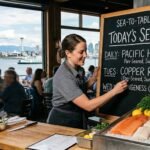
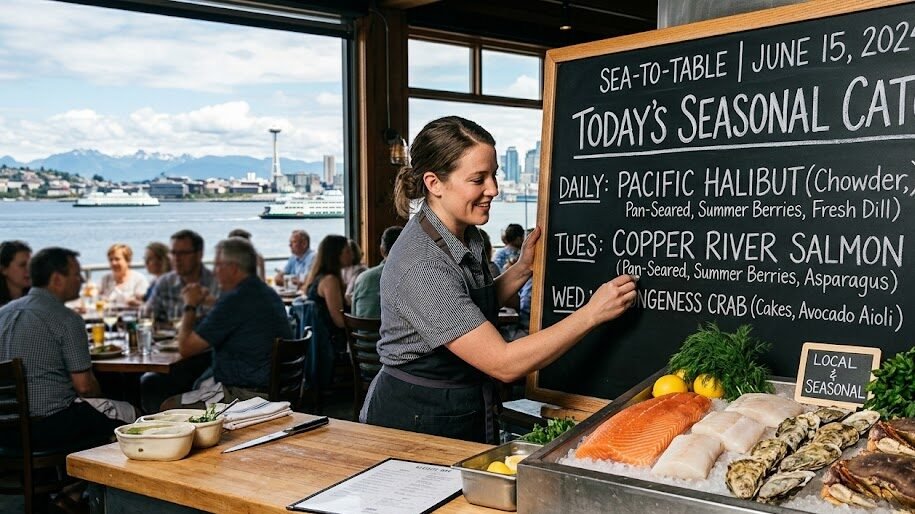
Seattle’s vibrant restaurant scene has long been defined by its exceptional access to fresh seafood. The Pacific Northwest’s abundant marine resources provide chefs with an unparalleled opportunity to craft menus that reflect the natural rhythms of the ocean. Seasonal seafood strategy has become a cornerstone of competitive dining establishments throughout the region, influencing everything from ingredient sourcing to menu planning and pricing structures.
The implementation of seasonal menus demonstrates a commitment to quality, sustainability, and culinary excellence. Restaurants that align their offerings with natural availability periods benefit from superior flavor profiles, reduced costs, and stronger relationships with local suppliers. This strategic approach has transformed Seattle into a destination for seafood enthusiasts seeking authentic Pacific Northwest cuisine.
The Spring Season: Beginning the Culinary Year
Spring brings a transition in Seattle’s seafood availability, marking the beginning of several important fishing seasons. During these months, restaurants strategically introduce fresh catches that have been unavailable during winter months.
- Spot prawns emerge as a signature spring delicacy, commanding premium menu placement
- Halibut season opens, providing versatile white fish options for various preparation methods
- Dungeness crab transitions from winter reserves, though availability begins to decline
- Spring salmon species initiate their migration patterns, signaling the beginning of abundant availability
Chefs utilize spring’s arrival as an opportunity to refresh winter menus and create renewed excitement among regular patrons. The lighter flavors and delicate textures of spring seafood pair well with seasonal vegetables and wine selections, allowing restaurants to craft innovative tasting menus.
Summer Abundance: Peak Seafood Season
Summer represents the pinnacle of seafood availability in Seattle. During these months, restaurants experience unprecedented access to diverse species and premium quality products. This abundance directly influences menu strategy, pricing, and chef creativity.
The summer season showcases several dominant seafood offerings that define Pacific Northwest cuisine:
- Wild Salmon Species: Multiple varieties including sockeye, coho, and pink salmon reach peak availability and flavor profiles
- Albacore Tuna: Premium tuna catches provide restaurants with high-value ingredients for elevated preparations
- Rockfish and Lingcod: These versatile white fish species offer consistent quality and diverse culinary applications
- Sea Urchin: Uni becomes increasingly available, appealing to adventurous diners and high-end establishments
- Mussels and Clams: Local bivalves reach optimal flavor development during summer months
During summer, restaurants often expand their menus to accommodate the broader range of available products. Chefs may introduce multiple preparations of the same species, allowing diners to experience different flavor dimensions. Pricing strategies typically become more competitive as supply increases, making premium seafood more accessible to broader customer bases.
Fall Transition: Preserving Quality Through Change
As summer transitions into autumn, Seattle’s seafood landscape undergoes significant changes. Restaurants must adapt their menus strategically to maintain quality while accommodating shifting availability.
Fall fishing seasons introduce important ingredients while others begin to fade:
- Late salmon runs provide final opportunities for fresh wild salmon preparations
- Oyster seasons recommence, offering premium selections from local beds
- Crab seasons prepare to reopen with fall Dungeness crab availability
- Scallop availability increases as water temperatures cool
Progressive restaurants utilize fall as a transitional period, gradually introducing autumn-inspired preparations and wine pairings. Menu engineering becomes critical during this season, as chefs balance the depletion of summer staples with the introduction of fall specialties.
Winter Strategies: Maintaining Excellence Through Scarcity
Winter presents the greatest challenge for Seattle restaurants committed to seasonal seafood strategies. Reduced availability, transportation limitations, and storage considerations require careful planning and menu design.
Winter menu strategy typically emphasizes these reliable seasonal options:
- Dungeness crab dominates as the signature winter protein
- Oysters reach peak flavor during colder months
- Preserved preparations of summer catches become more prevalent
- Imported seafood selections supplement local availability
- Smoked and cured fish preparations gain prominence
Successful winter menu strategy often involves increased creativity in preparation methods rather than ingredient variety. Restaurants may feature extended tasting menus, prix-fixe offerings, and specialized preparations that maximize the culinary potential of limited ingredients. This period frequently showcases technical skill and innovative flavor combinations.
Sustainability and Supply Chain Considerations
Seattle’s commitment to seasonal seafood extends beyond culinary excellence to encompass environmental responsibility. Restaurants aligned with seasonal strategies inherently support sustainable fishing practices by respecting natural reproduction cycles and avoiding overfished species during vulnerable periods.
Local supplier relationships form the foundation of effective seasonal strategies. Restaurants that develop strong connections with fishing communities, wholesale distributors, and specialty purveyors gain advantages in sourcing quality products while supporting regional economic development. These partnerships often provide advance notice of optimal harvest times and allow for collaborative menu planning.
Economic Impact of Seasonal Menu Strategy
The financial implications of seasonal seafood strategies significantly influence restaurant profitability and operational efficiency. Abundance periods typically yield lower ingredient costs, while scarcity seasons require premium pricing to maintain margins. Sophisticated restaurants balance these realities through dynamic pricing strategies and menu engineering.
Seasonal menus also impact labor efficiency, as chefs develop expertise in specific preparations during peak seasons. This specialization improves operational consistency and allows restaurants to train staff more effectively around core competencies. Inventory management becomes more predictable when menus align with seasonal availability.
Marketing and Customer Engagement Through Seasonality
Progressive Seattle restaurants leverage seasonal menu changes as marketing opportunities.