The Natural Habitat and Life Cycle of Seattle Salmon
Seattle’s salmon represent one of the Pacific Northwest’s most remarkable natural resources. These remarkable fish are born in the pristine mountain streams and rivers that feed into the Puget Sound, creating an intricate ecosystem that has sustained human communities for thousands of years. The salmon life cycle begins in freshwater rivers, where eggs are laid in gravel beds during spawning season, typically between late summer and early winter.
The journey of Seattle salmon is a testament to nature’s engineering. Young salmon, known as fry and smolts, spend their early years in freshwater environments, growing and developing before making the dramatic transition to saltwater. This transformation is critical to their survival and represents one of the most challenging phases of their lifecycle. During this period, their bodies undergo physiological changes that allow them to thrive in marine environments.
Migration Patterns and Ocean Growth
Once salmon smolts reach appropriate size and development, they begin their migration toward the Pacific Ocean. This journey takes them through river systems, including the iconic Columbia River and various tributaries that flow through Washington State. The migration downstream can take several weeks, during which young salmon must navigate natural obstacles and avoid predators.
In the open ocean, Seattle salmon undergo significant growth, feeding on abundant marine resources and developing the characteristic silvery coloration that makes them instantly recognizable. Depending on the species, salmon may spend anywhere from one to four years in the ocean before their instincts drive them back toward their natal streams. This remarkable homing ability allows salmon to return to the exact rivers and streams where they were born, guided by magnetic fields and olfactory memory.
The Return Journey and Commercial Harvesting
The return migration of salmon to Seattle-area rivers is a phenomenon that draws attention from researchers, conservationists, and food enthusiasts alike. As salmon enter freshwater rivers, they cease feeding and rely entirely on stored body energy to complete their journey upstream. This transformation affects both their physical appearance and flavor profile, making timing crucial for commercial fishing operations.
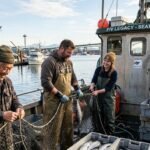
Commercial salmon harvesting in the Seattle region involves several methods and regulations designed to maintain sustainable populations while supporting local economies:
- Net fishing: Using seine nets and gill nets in marine waters and river systems
- Sport fishing: Hook-and-line methods that generate tourism revenue
- Tribal harvesting: Traditional methods protected under federal treaties
- Hatchery programs: Supplementing wild populations to ensure sustainable catches
Strict regulations govern salmon harvesting, with limits based on annual population assessments and species-specific conservation needs. The Washington Department of Fish and Wildlife works closely with tribal nations and commercial operators to ensure that harvesting practices maintain ecological balance while supporting the region’s fishing industry.
From River to Market: Processing and Distribution
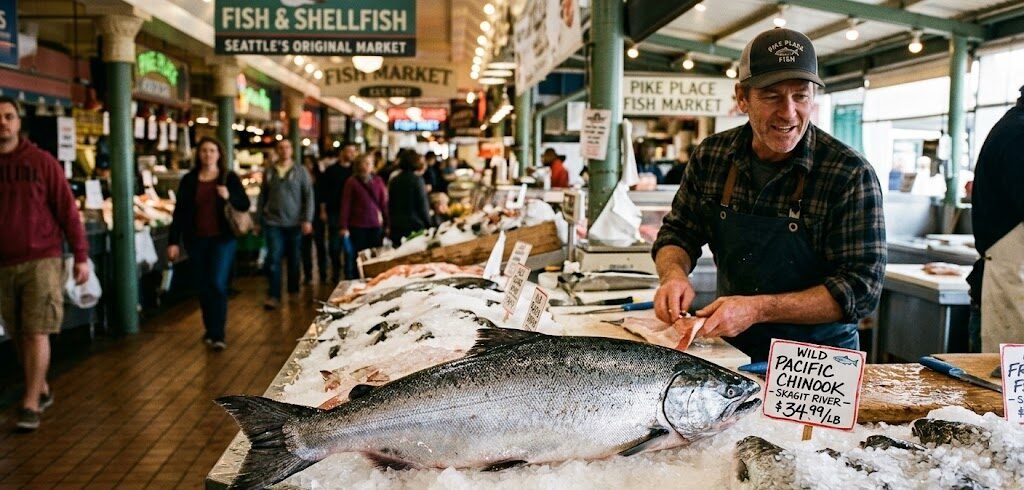
Once salmon are harvested, the journey to Seattle’s restaurants begins immediately. Processing facilities near major fishing ports work to maintain the quality and freshness of the catch. Modern processing techniques allow salmon to be frozen, smoked, canned, or sold fresh, depending on market demands and customer preferences.
The supply chain connecting Seattle’s rivers to its restaurants represents a carefully coordinated system involving multiple stakeholders. Fish are typically processed within hours of harvest to preserve quality. Temperature control, sanitation standards, and traceability requirements ensure that consumers receive safe, high-quality products. Distribution networks, including refrigerated transportation and specialized storage facilities, maintain the integrity of the product throughout its journey from water to table.
Seattle’s Restaurant Scene and Salmon Cuisine
Seattle’s culinary reputation is inseparable from its access to exceptional salmon. The city’s top restaurants feature salmon prepared in countless ways, from traditional methods honoring Native American cooking techniques to contemporary preparations showcasing global influences. Chefs throughout Seattle prioritize sourcing local, wild-caught salmon when possible, understanding that proximity to supply sources guarantees optimal freshness and supports regional economies.
Popular salmon preparations in Seattle restaurants include:
- Cedar plank grilling, a traditional Pacific Northwest method
- Lox and bagels, reflecting Seattle’s diverse cultural heritage
- Poke bowls and other Asian-inspired preparations
- Smoked salmon, a Pacific Northwest specialty
- Pan-seared fillets with seasonal accompaniments
The quality of salmon available in Seattle allows chefs to highlight the natural flavors of the fish rather than mask them with heavy sauces. This philosophy reflects a broader appreciation for ingredient-driven cuisine in the Pacific Northwest.
Sustainability and Environmental Considerations
The salmon industry in Seattle operates within the context of significant environmental challenges. Dam construction, habitat loss, pollution, and climate change have all impacted wild salmon populations over the past century. However, growing awareness of these issues has sparked conservation efforts that benefit both salmon populations and the communities that depend on them.
Modern management practices include dam removal projects, stream restoration initiatives, and hatchery programs designed to supplement wild populations. Organizations ranging from government agencies to nonprofit conservation groups work collaboratively to ensure that future generations can enjoy both the ecological and economic benefits that salmon provide to the Seattle region.
Economic Impact and Cultural Significance
Salmon represent far more than a food source for Seattle; they are woven into the cultural fabric of the region. For Indigenous peoples of the Pacific Northwest, salmon have sustained communities for thousands of years and hold profound spiritual and cultural significance. The fish remain central to tribal identity, traditional practices, and modern economic activities.
The commercial salmon industry generates substantial economic activity for the region, supporting fishing operations, processing facilities, transportation networks, and hospitality businesses. Restaurants featuring salmon prominently benefit from both local demand and tourism, as visitors specifically seek out authentic Pacific Northwest dining experiences centered on the region’s most iconic seafood.
Conclusion: A Complete Journey
The journey of Seattle salmon from river to restaurant exemplifies the complex interconnections between natural systems, human communities, and culinary traditions. Understanding this complete cycle—from spawning in mountain streams through ocean growth, return migration, harvest, processing, and final preparation—enriches our appreciation for the salmon that grace Seattle’s dinner tables.