
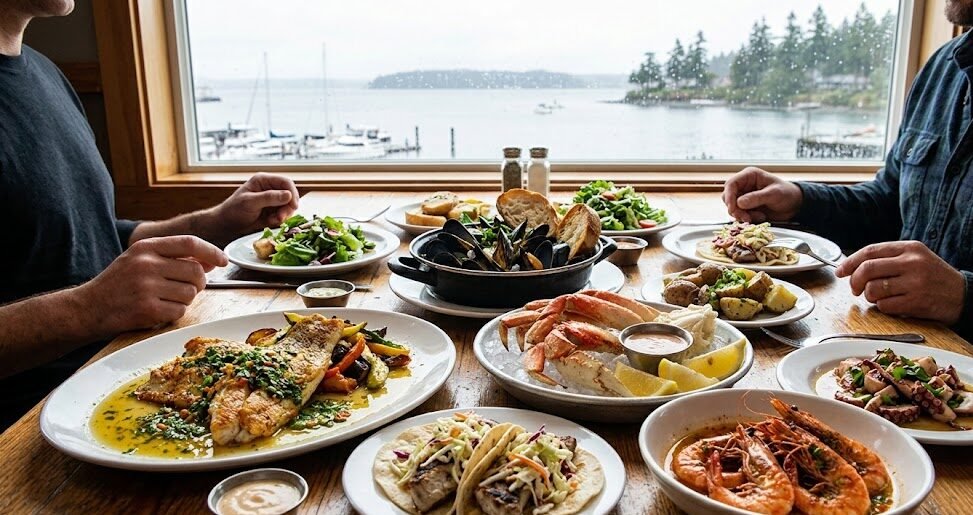
Introduction to Pacific Northwest Seafood Diversity
While salmon undoubtedly dominates the culinary reputation of the Pacific Northwest, the region’s seafood offerings extend far beyond this iconic fish. The cold, nutrient-rich waters of the Pacific Ocean and the estuaries of the Northwestern United States and Canada support an extraordinary variety of marine life that has sustained indigenous communities for thousands of years and continues to define regional cuisine today.
Shellfish: The Hidden Treasures of the Region
The Pacific Northwest’s shellfish selection represents some of the finest in North America. These mollusks and crustaceans provide unique flavors and textures that deserve recognition alongside salmon.
Dungeness Crab
Dungeness crab stands as one of the region’s most prized delicacies. Known for its sweet, tender meat and relatively low fat content, this crab species thrives in the cold Pacific waters. The commercial season typically runs from December through June, with peak availability during winter months. Dungeness crab can be enjoyed steamed whole, in crab cakes, or incorporated into soups and bisques, making it a versatile ingredient for both casual and fine dining establishments.
Pacific Oysters and Native Olympia Oysters
Oyster farming has become increasingly sophisticated throughout the Pacific Northwest. Pacific oysters, imported from Japan in the early 20th century, now thrive in the region’s waters and are celebrated for their briny flavor and creamy texture. The smaller, native Olympia oysters offer a more delicate taste with a distinctive copper-colored shell and represent an important part of the region’s culinary heritage. These oysters are typically enjoyed raw on the half shell, though creative preparations are gaining popularity among innovative chefs.
Mussels and Clams
Mediterranean mussels and various clam species, including Manila clams, littleneck clams, and butter clams, flourish in the Pacific Northwest’s estuarine environments. These shellfish are particularly valued for their ability to filter vast quantities of seawater, concentrating the natural flavors of the ocean. Mussels are frequently steamed with white wine and garlic, while clams feature prominently in chowders, pasta dishes, and traditional Native American preparations.
Groundfish and White Fish Species
Beyond the salmon family, the Pacific Northwest harbors an impressive selection of white fish varieties that offer milder, more delicate flavors.
Halibut
Pacific halibut represents one of the most sought-after white fish species in the region. This large flatfish can reach impressive sizes and provides firm, white meat with a mild, slightly sweet flavor. Halibut’s versatility makes it suitable for grilling, pan-searing, baking, or poaching. Its lean texture and subtle taste make it an excellent choice for those seeking alternatives to salmon.
Lingcod and Black Cod
Lingcod, despite its name, is not a true cod but rather a member of the greenling family. This fish offers lean, white flesh with a slightly firm texture and mild flavor. Black cod, also known as sablefish, presents a distinctly different profile with higher oil content and a rich, buttery flavor. Both species are essential to Pacific Northwest seafood traditions and warrant equal attention to salmon in regional menus.
Pacific Cod and Other Bottom Fish
Various groundfish species, including Pacific cod, provide economical and sustainable alternatives to higher-priced fish varieties. These species work particularly well in fish and chips preparations and traditional coastal cuisine.
Specialty and Seasonal Catches
Sea Urchin (Uni)
Sea urchin roe, known as uni, has gained increasing recognition among sophisticated diners. The Pacific Northwest produces premium sea urchin that exhibits a rich, oceanic flavor and silky texture. This specialty item typically appears in high-end Japanese cuisine and contemporary seafood restaurants.
Spot Prawns and Other Crustaceans
Spot prawns, characterized by white spots on their bodies, represent a seasonal delicacy available primarily during spring and early summer months. These large prawns offer sweet, tender meat and have become increasingly popular in both raw and cooked preparations. Other shrimp and prawn species contribute to the region’s diverse crustacean offerings.
Sea Cucumbers
Though less familiar to Western diners, sea cucumbers hold significant cultural and commercial importance in Pacific Northwest communities, particularly among Asian populations. These echinoderms are valued for their nutritional properties and unique texture in traditional preparations.
Sustainable Harvesting and Environmental Considerations
The abundance of Pacific Northwest seafood depends entirely on sustainable harvesting practices and marine conservation efforts. Commercial fisheries in the region are increasingly subject to rigorous management protocols designed to maintain healthy fish and shellfish populations. Consumers seeking these products should prioritize sustainably sourced options from certified fisheries and responsible aquaculture operations.
Regional Culinary Traditions
Pacific Northwest indigenous communities have developed sophisticated seafood preparation techniques over millennia. Traditional smoking, curing, and preservation methods continue to influence contemporary regional cuisine. Modern chefs increasingly draw inspiration from these ancestral practices while incorporating innovative cooking techniques.
Conclusion
The Pacific Northwest’s seafood diversity extends well beyond salmon, encompassing a rich variety of shellfish, white fish, crustaceans, and specialty items. From the sweet richness of Dungeness crab to the delicate flavor of Pacific halibut, the region offers seafood options suitable for every palate and culinary application. Exploring these alternatives provides both gastronomic pleasure and appreciation for the ecological richness of the Pacific Northwest’s marine environments. Whether experienced in fine dining establishments or prepared at home, these seafood varieties represent the true culinary heritage of this remarkable region.