
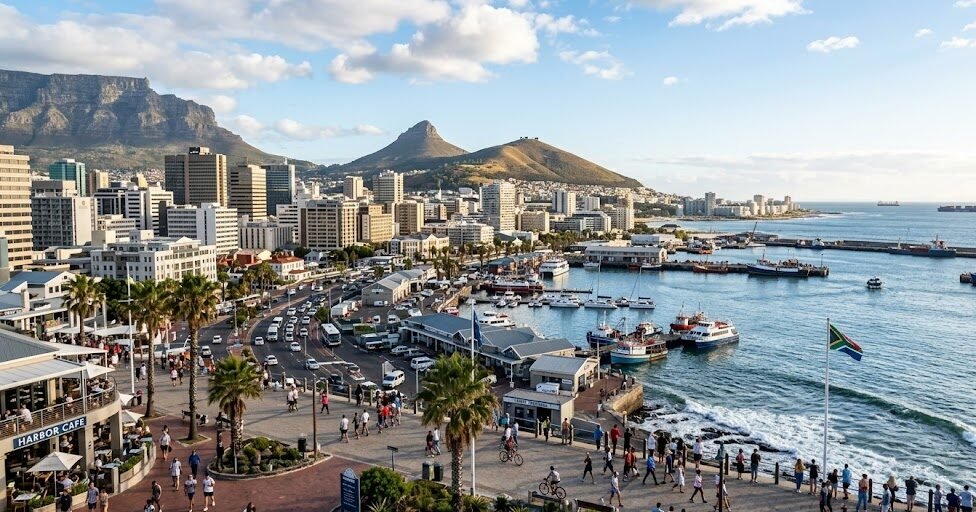
The Unique Characteristics That Define Coastal Urban Environments
Coastal cities possess a distinctive character that sets them apart from inland urban centers. This uniqueness stems from a combination of environmental, cultural, and geographical factors that create an unmistakable atmosphere. Understanding what makes these cities feel different provides insight into urban development, human behavior, and our relationship with natural environments.
Environmental and Climate Influences
The most immediate factor contributing to the distinctive feel of coastal cities is their climate and environmental conditions. The presence of large bodies of water moderates temperature fluctuations, creating milder winters and cooler summers compared to inland areas at similar latitudes. This climatic stability influences not only daily life but also architectural styles, urban planning decisions, and recreational activities.
The constant influence of maritime weather patterns—including sea breezes, salt air, and increased humidity—shapes the sensory experience of coastal living. These elements affect everything from building materials and vegetation to the preservation of structures and the overall aesthetic appeal of the urban landscape.
Cultural and Social Dynamics
Coastal cities have historically served as gateways for trade, immigration, and cultural exchange. This heritage creates a more cosmopolitan atmosphere with diverse populations and varied cultural influences. Residents and visitors alike benefit from this multicultural environment, which manifests in diverse cuisine, art, music, and traditions.
The proximity to water also encourages specific lifestyle choices and social behaviors. Waterfront activities such as boating, swimming, and seafood consumption become central to community identity. Public spaces frequently feature beaches, piers, and promenades that facilitate social interaction and recreation.
Economic and Commercial Characteristics
The economic structure of coastal cities differs significantly from inland urban centers. Historically, these cities developed around maritime commerce, fishing industries, and shipping. Modern coastal cities continue to benefit from these economic advantages while adapting to contemporary commerce and tourism.
- Tourism and hospitality industries create vibrant economies
- Port facilities support global trade and commerce
- Real estate markets reflect premium value near waterfronts
- Fishing and seafood industries remain culturally significant
Urban Planning and Architecture
The geography of coastal areas necessitates unique urban planning approaches. Cities must account for tidal patterns, erosion, and flooding risks when designing infrastructure. This has led to innovative waterfront development projects, seawalls, and elevated structures that reflect both practical necessity and aesthetic considerations.
Architectural styles in coastal cities often incorporate elements designed to withstand maritime conditions. Buildings frequently feature materials resistant to salt corrosion, design elements that facilitate air circulation, and orientations that optimize views and natural lighting.
Environmental Challenges and Sustainability
Coastal cities face distinct environmental challenges that influence their character and future development. Rising sea levels, coastal erosion, and increased storm intensity present ongoing concerns. These challenges have prompted many coastal cities to become leaders in sustainable urban development and climate adaptation strategies.
The need to balance environmental preservation with urban growth creates ongoing dialogue within coastal communities. Many cities have implemented marine conservation programs, beach restoration projects, and green infrastructure initiatives that reflect their commitment to maintaining the natural beauty that defines their identity.
Sensory Experience and Atmosphere
The sensory experience distinguishes coastal cities from their inland counterparts. The sound of waves, the smell of salt air, the visual expanse of open water, and the feeling of sea breezes create a multisensory environment that residents and visitors find profoundly appealing.
This distinctive sensory landscape influences mood, stress levels, and overall well-being. Research indicates that proximity to water provides psychological benefits, contributing to the positive feelings people associate with coastal living.
Recreational Opportunities and Lifestyle
Coastal cities offer unparalleled recreational opportunities centered around water activities. Swimming, surfing, kayaking, fishing, and sailing provide outdoor pursuits unavailable in landlocked areas. These activities shape community culture and provide residents with accessible wellness options.
The abundance of public beaches and waterfront parks creates gathering spaces that foster community connection and provide free or low-cost recreation. This accessibility contributes to a more active, outdoor-oriented lifestyle characteristic of coastal urban populations.
Conclusion
The distinctive feel of coastal cities emerges from the intricate interplay of environmental conditions, cultural heritage, economic structures, and urban design. These factors combine to create communities with unique identities, vibrant atmospheres, and compelling appeals to residents and visitors alike. As coastal cities continue to evolve, understanding these defining characteristics remains essential for sustainable development and preservation of what makes these urban environments special.