Introduction to Seattle’s Distinctive Character
Seattle, Washington’s vibrant waterfront has become synonymous with two defining cultural elements: the iconic crab pots that dot its piers and the world-renowned coffee culture that fuels the city’s inhabitants. These two distinct aspects of Seattle’s identity represent far more than mere commercial enterprises; they embody the city’s maritime heritage, entrepreneurial spirit, and commitment to quality of life. Understanding the interplay between these elements provides insight into what makes Seattle one of America’s most unique and desirable cities.
The Maritime Legacy: Crab Pots and Fishing Culture
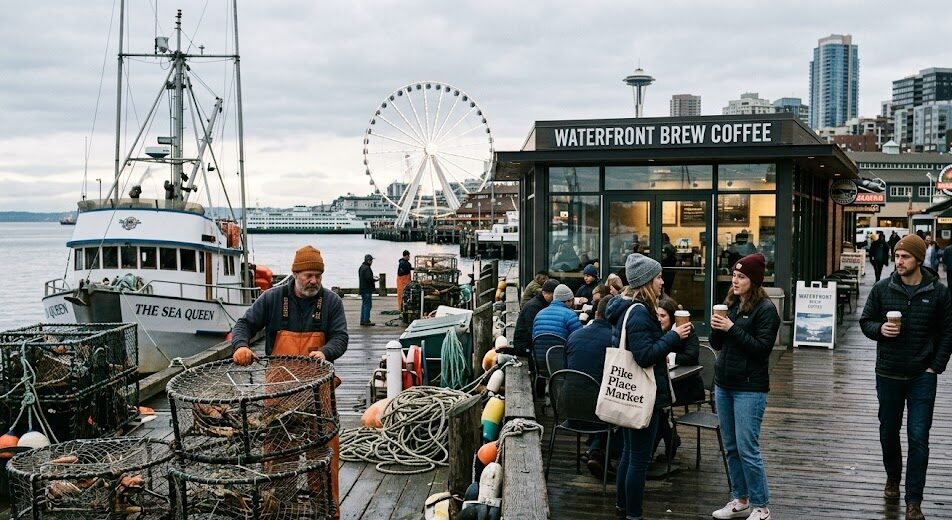
Seattle’s connection to the water runs deep, shaped by centuries of fishing traditions and maritime commerce. The crab pots that line the waterfront serve as tangible reminders of this heritage, representing both a practical fishing method and a celebrated local tradition. These distinctive traps have become iconic symbols of the Pacific Northwest’s fishing industry, particularly for Dungeness crab, which has been harvested in Puget Sound for generations.
The Dungeness Crab Tradition
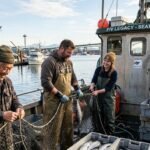
Dungeness crab represents one of the most prized catches along the Seattle waterfront. The species, named after a small town in Washington, has become integral to the region’s culinary identity and economic vitality. Commercial and recreational fishers alike rely on specialized crab pots to harvest these crustaceans, which are then sold fresh at local markets and restaurants throughout the city.
The seasonal availability of Dungeness crab creates a rhythm to Seattle’s waterfront commerce. During peak seasons, the docks bustle with activity as fishing vessels return with their catches, and restaurants compete to offer the freshest preparations. This cycle has remained relatively constant for over a century, demonstrating the sustainability and enduring appeal of the resource.
Contemporary Waterfront Commerce
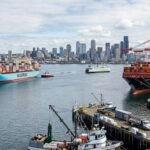
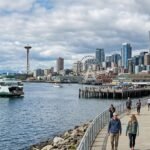
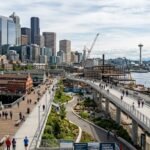
Today’s Seattle waterfront extends beyond traditional fishing operations. Modern tourism, recreational boating, and diverse maritime businesses have transformed the piers into vibrant public spaces. Visitors can observe working fishing vessels, purchase fresh seafood directly from fishmongers, and experience the authentic energy of a working waterfront—a distinction that sets Seattle apart from many other American coastal cities.
The preservation of commercial fishing operations alongside modern development represents a deliberate choice by Seattle’s community to maintain its maritime character while embracing contemporary economic opportunities. This balance has resulted in a waterfront that honors its past while looking toward the future.
Seattle’s Coffee Culture: A Global Phenomenon
If the waterfront represents Seattle’s maritime heritage, then coffee represents its modern identity. The city has transcended its role as merely a consumer of coffee to become the acknowledged epicenter of specialty coffee culture in North America. This transformation began in the 1970s and has fundamentally shaped both the city’s economy and its global image.
The Rise of Specialty Coffee
Seattle’s coffee revolution began with a focus on quality, sourcing, and preparation methods that challenged the prevailing American coffee standards of the era. Local roasters prioritized direct relationships with coffee producers, invested in high-quality equipment, and educated consumers about the nuances of different bean varieties and brewing techniques. This commitment to excellence created a competitive market that drove continuous innovation and improvement.
The establishment of specialty coffee shops throughout Seattle’s neighborhoods provided gathering spaces where quality was never compromised. These establishments became known for their knowledgeable baristas, carefully curated bean selections, and commitment to the craft of coffee preparation. The culture of appreciation that developed around these venues transformed coffee from a mere caffeine delivery mechanism into an art form worthy of serious study and enjoyment.
Global Influence and Economic Impact
Seattle’s coffee culture has had profound implications extending far beyond the city’s boundaries. International coffee chains headquartered in Seattle have carried the specialty coffee movement across the globe, while the city has become a pilgrimage destination for coffee enthusiasts worldwide. Professional barista competitions, coffee trade shows, and educational institutions dedicated to coffee science all maintain significant presence in the Seattle area.
The economic impact of the coffee industry on Seattle cannot be overstated. Thousands of jobs have been created in roasting, retail, training, and related industries. Property values in coffee-centric neighborhoods have appreciated significantly, and the industry has attracted capital investment from international corporations seeking to establish credibility in the specialty coffee market. Coffee has become as integral to Seattle’s economic identity as aircraft manufacturing and technology, representing a distinctive form of entrepreneurship and product development.
The Intersection of Tradition and Modernity
What renders Seattle’s waterfront particularly compelling is the coexistence of these two seemingly disparate cultures. The crab pots represent industrial tradition, maritime heritage, and direct connection to natural resources. The coffee culture, by contrast, represents knowledge work, consumer sophistication, and participation in global markets. Yet both have flourished simultaneously in Seattle, suggesting deeper commonalities in the city’s values.
Quality as a Shared Value
Both the crab industry and the specialty coffee movement in Seattle prioritize quality above mass production. Fishers seeking premium prices for Dungeness crab maintain rigorous standards for their catch. Similarly, specialty coffee producers invest heavily in sourcing superior beans and refining preparation methods. This shared commitment to quality reflects a broader Seattle ethos that values craftsmanship and consumer education.
Sustainability and Responsibility
Modern iterations of both Seattle’s crab and coffee industries emphasize sustainability and ethical practices. Fishing regulations protect Dungeness crab populations for future generations, while many Seattle coffee roasters prioritize fair trade relationships with producing countries. These concerns demonstrate that Seattle’s economic sectors maintain environmental and social consciousness alongside profit motivation.
Experiencing Seattle’s Dual Identity
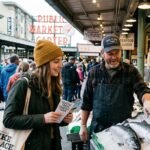
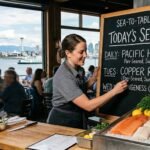
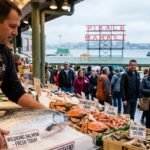
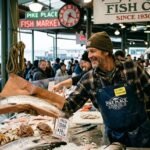
Visitors to Seattle have exceptional opportunities to engage with both aspects of the city’s character. The Pike Place Market, located directly on the waterfront, exemplifies this integration. Fresh seafood, including Dungeness crab, is displayed and sold alongside some of the city’s most celebrated coffee vendors. Tourists can purchase their morning specialty coffee while observing the previous night’s fish delivery or selecting fresh crab for evening dinner.
Walking tours of the waterfront provide educational experiences regarding both maritime heritage and contemporary commerce. Educational institutions and industry organizations offer classes and workshops in coffee preparation, roasting, and crab fishing techniques. These opportunities allow visitors and residents to develop deeper appreciation for both cultural elements.