The Economic Significance of Fishing in Seattle
Seattle’s fishing industry represents one of the most vital economic pillars supporting the region’s communities. As a major Pacific Northwest port, Seattle has served as a cornerstone for commercial fishing operations, marine processing facilities, and seafood distribution networks for over a century. The industry continues to generate substantial revenue and employment opportunities for thousands of residents throughout the greater Seattle metropolitan area.
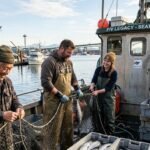
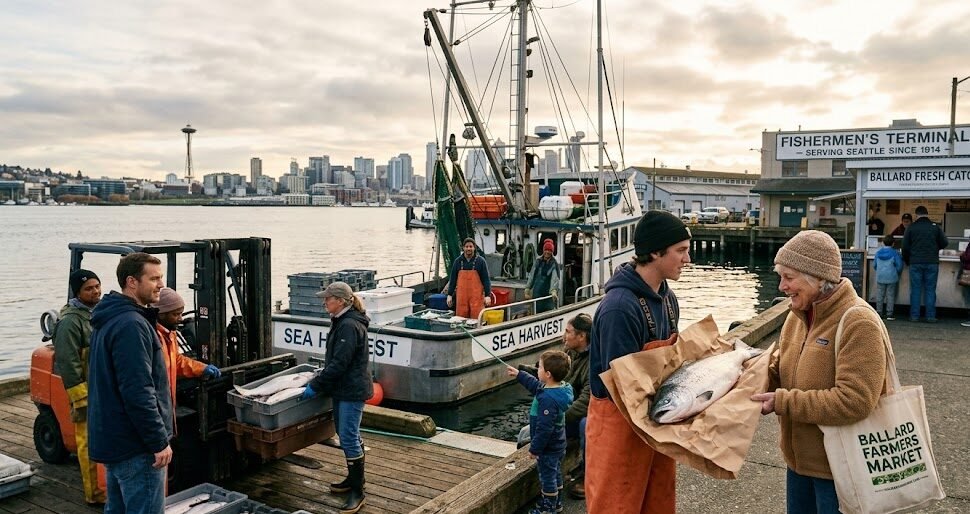
The commercial fishing sector directly employs fishermen, boat captains, and crew members who venture into the waters of Puget Sound and the Pacific Ocean. Beyond those on the water, the industry supports numerous shoreside jobs in fish processing plants, cold storage facilities, and seafood wholesale operations. These employment opportunities provide stable, well-paying positions for families throughout Seattle communities, many of which have depended on fishing revenues across multiple generations.
Cultural Heritage and Community Identity
Fishing holds profound cultural significance within Seattle’s diverse communities, particularly among Native American tribes and immigrant populations. The Salish Sea fisheries have sustained indigenous peoples for thousands of years, and fishing remains central to tribal sovereignty, cultural practices, and traditional ways of life. The fishing heritage also reflects the contributions of Scandinavian, Japanese, Filipino, and other immigrant communities who established Seattle’s fishing traditions and continue to maintain them today.
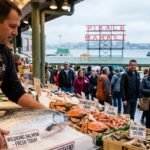
The Pike Place Market, Seattle’s iconic landmark, exemplifies how fishing culture permeates the broader community identity. Visitors from around the world experience the vibrant display of fresh seafood and the dynamic energy of fishmongers, which has become synonymous with Seattle’s character and charm.
Environmental Considerations and Sustainability
The fishing industry faces significant environmental challenges that directly impact Seattle communities. Sustainable fishing practices have become increasingly important as stocks of salmon, halibut, and other key species face pressures from:
- Climate change and shifting ocean temperatures
- Habitat degradation and dam obstruction
- Overfishing and regulatory restrictions
- Pollution and water quality concerns
Local fishing communities have become advocates for environmental stewardship, working with conservation organizations and government agencies to balance economic needs with long-term ecological health. These collaborative efforts ensure that future generations can continue to benefit from Seattle’s rich fishing heritage.
Regulatory Framework and Economic Challenges
Commercial fishing in Seattle operates within a complex regulatory environment designed to protect fish stocks while maintaining viable fisheries. Fishing communities must navigate federal and state regulations, tribal agreements, and international fishing treaties. While these protections serve important conservation purposes, they also present economic challenges for fishing operations.
Recent years have brought quota reductions, seasonal closures, and increased operational costs that have strained the profitability of fishing enterprises. Many independent fishermen and small fishing businesses face unprecedented pressures, requiring adaptation and innovation to remain economically viable.
Community Support and Economic Development
Seattle communities have developed various initiatives to support their fishing heritage and ensure industry sustainability. Local organizations work to:
- Promote sustainable seafood consumption and market access
- Support fishing families during economic downturns
- Preserve fishing knowledge and traditions through education programs
- Invest in fishery infrastructure and vessel modernization
- Advocate for fair regulations and community representation
These efforts reflect the commitment of Seattle residents and institutions to maintaining the fishing industry’s relevance and resilience within the modern economy.
Social and Community Wellbeing
Beyond economics, the fishing industry profoundly influences community social structures and wellbeing in Seattle. Fishing communities often demonstrate strong social cohesion, mutual support networks, and shared values centered on maritime traditions. Access to local seafood contributes to food security and nutrition for many Seattle residents, while recreational fishing provides important leisure activities and family bonding opportunities.
However, industry volatility can create social challenges, including income instability, occupational hazards, and population shifts as younger community members pursue alternative careers. Supporting fishing communities requires comprehensive approaches that address economic viability, education opportunities, and quality of life considerations.
Looking Forward: The Future of Seattle’s Fishing Communities
Seattle’s fishing communities stand at a crossroads, facing both challenges and opportunities. Climate adaptation, technological innovation, and evolving consumer preferences present pathways for industry evolution. Investments in sustainable practices, value-added seafood processing, and direct-to-consumer marketing models offer potential growth avenues.
The continued success of Seattle’s fishing communities depends on collaborative engagement among fishermen, environmental advocates, government agencies, tribal nations, and residents. By honoring the industry’s heritage while embracing sustainable practices and economic innovation, Seattle can ensure that fishing remains a vital and respected component of its community identity and economic base for generations to come.