Understanding Seattle’s Maritime Heritage
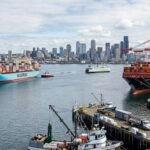
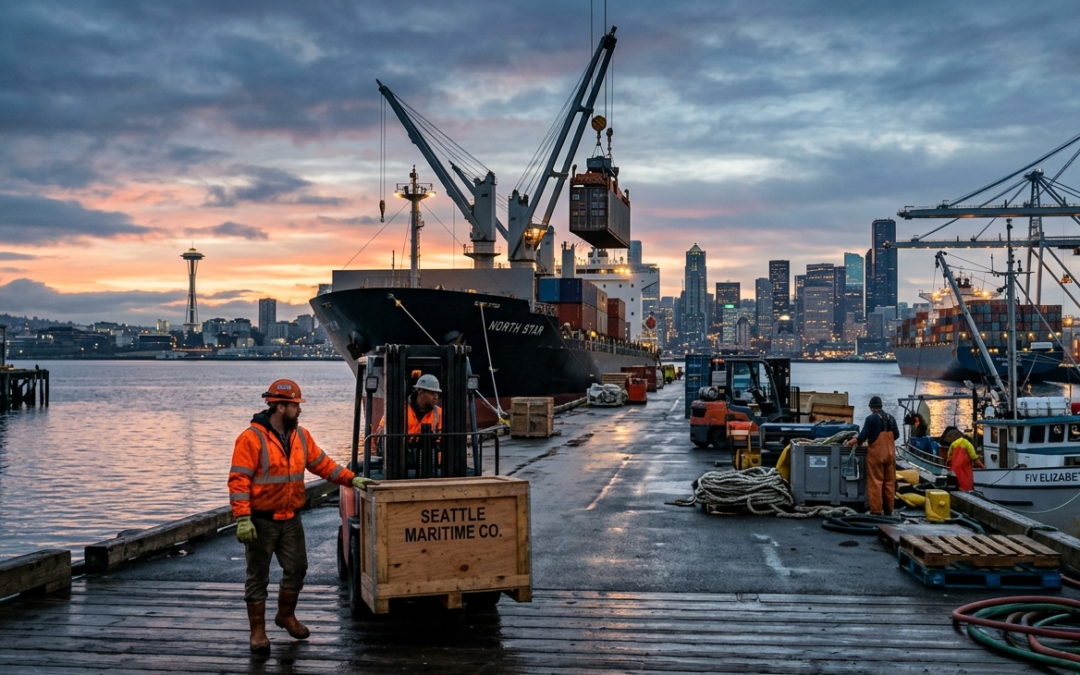
Seattle’s working waterfront stands as a testament to the city’s enduring maritime legacy and economic vitality. Stretching along the Puget Sound, this dynamic industrial zone represents one of the Pacific Northwest’s most significant ports and a vital hub for commerce, fishing, and maritime enterprise. The waterfront’s rich history intertwines with Seattle’s identity as a major gateway for international trade and regional resource development.
The Evolution of Maritime Commerce
The transformation of Seattle’s waterfront began in earnest during the late 19th century, when the city emerged as a crucial port for gold rush supplies and subsequently became a major shipping center. Today, the Port of Seattle continues this tradition, handling millions of tons of cargo annually while maintaining its status as one of North America’s busiest container ports. This ongoing commercial activity reflects the waterfront’s critical role in connecting Pacific Rim markets with North American consumers and businesses.
Key Maritime Operations
- Container ship operations and cargo handling facilities
- Fishing fleets and seafood processing industries
- Cruise ship terminals and passenger services
- Shipbuilding and marine repair facilities
- Import-export logistics and warehousing operations
Economic Impact and Employment
Seattle’s working waterfront generates substantial economic benefits for the region, supporting thousands of direct and indirect jobs across multiple sectors. Port workers, vessel operators, logistics professionals, and seafood industry employees form the backbone of this maritime ecosystem. The waterfront’s economic contributions extend throughout the broader Seattle metropolitan area, driving growth in related industries and supporting local infrastructure development.
Sustainability and Modern Operations
Contemporary waterfront operations increasingly prioritize environmental stewardship alongside economic productivity. The Port of Seattle has implemented numerous initiatives to reduce emissions, improve water quality, and minimize ecological impact. Modern cargo handling equipment, cleaner fuel standards, and strategic planning reflect the maritime industry’s commitment to sustainable practices while maintaining operational efficiency and competitiveness in global markets.
The Future of Seattle’s Waterfront
As global trade patterns evolve and technology advances, Seattle’s working waterfront continues adapting to meet new challenges and opportunities. Infrastructure investments, automation technologies, and workforce development initiatives position the port for continued growth and relevance in the 21st-century maritime economy. The waterfront’s future depends on balancing commercial expansion with community needs and environmental protection, ensuring this historic industrial zone remains a cornerstone of Seattle’s prosperity.