
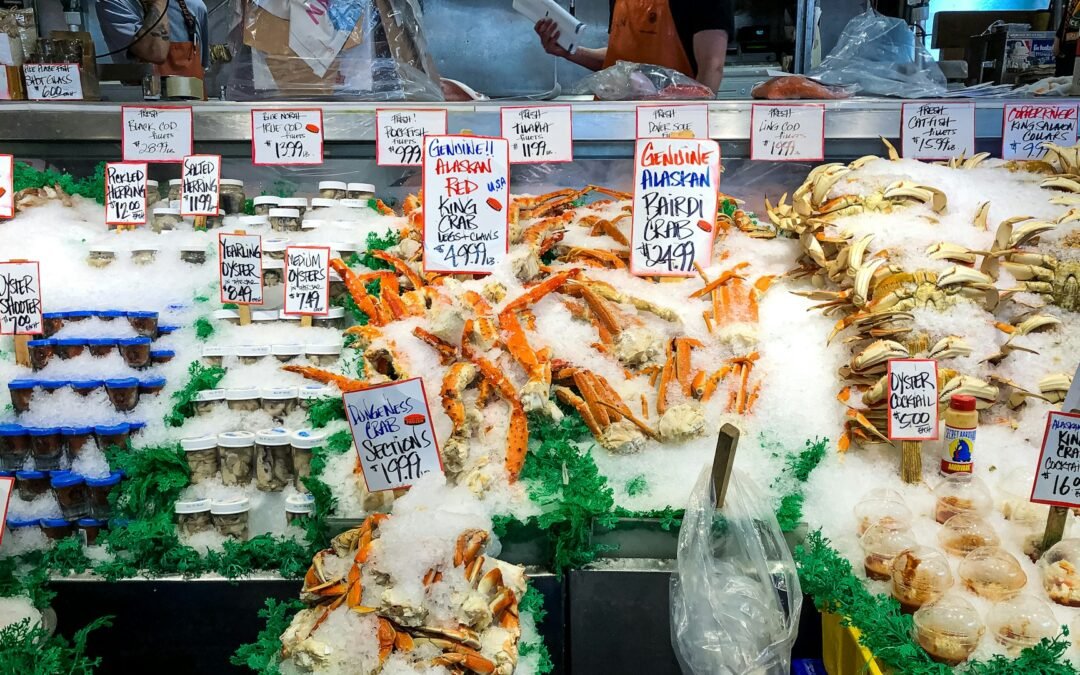
Seattle is famous for its fresh seafood, and much of it comes from Alaska. The long journey from Alaska’s waters to Seattle’s restaurants and markets creates a connection that defines the city’s food culture. Salmon, halibut, and crab are caught in Alaska and arrive in Seattle at peak freshness. This seafood is not only delicious but also supports local businesses, fishermen, and chefs. The Alaska Seattle seafood connection goes beyond just taste. It links communities, traditions, and sustainable fishing practices. For Seattle, seafood is more than food; it tells the story of trade, environment, and culture. Understanding this connection helps people appreciate why Seattle’s seafood scene is so renowned. Every bite of fresh fish in Seattle carries a piece of Alaska’s waters, making seafood an essential part of the city’s identity.
The Journey From Alaska to Seattle
Alaska’s waters are rich with salmon, crab, halibut, and other seafood. Fishermen catch the seafood using careful and sustainable methods to protect the ocean and future fish stocks. Once caught, the seafood is quickly cleaned, packed, and frozen or iced to preserve freshness. Trucks and cargo planes transport the seafood to Seattle, often arriving within a day or two. This fast journey keeps the seafood fresh and flavorful, so diners enjoy it almost as if it were caught that morning. Local markets and restaurants rely on this steady supply to provide high-quality seafood to customers every day. The journey from Alaska to Seattle is a vital link in the seafood chain and shows how much effort goes into delivering the best seafood.
Seattle’s Seafood Markets and Restaurants
Seattle’s seafood markets, like the famous Pike Place Market, showcase Alaska’s catches daily. Fishmongers proudly display salmon, crab, halibut, and other seafood, often letting customers see the fish being filleted. Restaurants in the city use this seafood to create iconic dishes that have made Seattle famous. From grilled salmon to seafood chowder, crab cakes, and halibut sandwiches, these meals highlight the quality of Alaska seafood. Many chefs also focus on seasonal recipes to make the most of what is freshest each week. This connection ensures Seattle diners get the freshest seafood possible while supporting local businesses. Visitors often say that tasting seafood in Seattle is an experience unlike anywhere else, thanks to this unique link with Alaska.
Sustainable Practices in the Seafood Industry
Both Alaska and Seattle prioritize sustainable seafood practices. Fisheries follow strict rules to protect marine life. Seattle restaurants also emphasize eco-friendly sourcing. This ensures that seafood remains available for generations. Sustainability is an important part of the Alaska and Seattle seafood connection.
Festivals and Community Celebration
Seattle hosts seafood festivals that celebrate the connection with Alaska. Events bring locals and visitors together to enjoy fresh seafood, cooking demos, and traditions. These festivals highlight the importance of seafood in Seattle’s culture and community. They also educate people about where the seafood comes from and how it reaches their plates.
Conclusion
The Alaska and Seattle seafood connection is vital to the city’s food culture. Fresh seafood travels hundreds of miles to reach Seattle, keeping its quality and flavor intact. This connection supports fishermen, markets, restaurants, and local traditions. Every meal with Alaskan seafood in Seattle tells a story of sustainability, freshness, and community. Seattle diners get to enjoy seafood that is not only tasty but also responsibly sourced. Festivals, markets, and restaurants all celebrate this link and make seafood a shared experience. For seafood lovers, understanding this connection makes every bite even more special and shows why Seattle is a true seafood city.