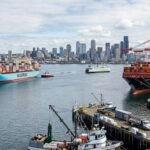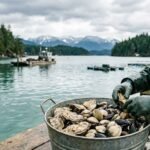
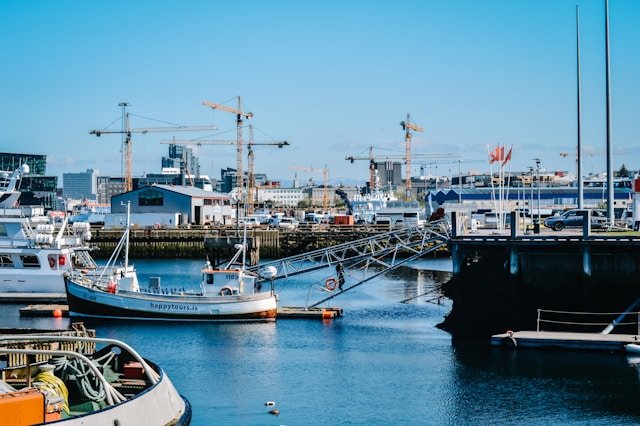
Seattle has always been closely tied to the water. Surrounded by Puget Sound, rivers, and the Pacific Ocean, the city grew alongside the seafood industry. At the center of this story is fishing, which helped shape Seattle’s economy, culture, and identity. Long before tall buildings and busy ports, the waters around Seattle provided food and trade for Native tribes. Over time, small boats turned into large fleets, and local trade turned into a global industry. Seattle became a gateway between Alaska and the rest of the United States. The city’s docks, markets, and neighborhoods all carry signs of this past. Even today, the influence can be seen in food, festivals, and daily life. Understanding this history helps explain why seafood matters so much here. The story is not just about boats and nets.
Native Roots and Early Traditions
Native American tribes lived along the coast long before people founded Seattle. Tribes like the Duwamish and Suquamish depended on the water. Salmon was the most important food source. They used simple tools and deep knowledge of nature. Fishing was part of daily life, not just work. It was also spiritual and cultural. These early practices respected seasons and balance.
The Rise of a Port City
In the late 1800s, Seattle began to grow fast. The Klondike Gold Rush played a big role. Seattle became a supply center for miners heading north. Boats carried food, gear, and people. Soon, fishing became a major business. The city built docks and processing plants. Jobs increased. Immigrants arrived to work on boats and in canneries.
Alaska and the Fishing Boom
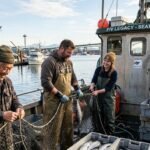
Seattle’s connection to Alaska changed everything. Many fishing fleets were based in Seattle but worked in Alaskan waters. Salmon, cod, and crab became big exports. Fishing companies grew larger and more powerful. Cold storage and canning helped seafood travel farther. This period made Seattle a leader in the industry.
Pike Place Market and Community Life
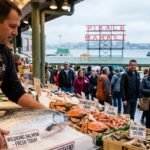
Pike Place Market opened in 1907. It gave local fishermen a place to sell directly to buyers. This helped small businesses survive. The market became a symbol of Seattle. Fishing was no longer hidden at the docks. It became part of daily city life. Locals and visitors could see, smell, and taste fresh seafood.
Modern Changes and Sustainability
Over time, fish populations declined. New rules were created to protect the waters. Today, fishing in Seattle focuses more on sustainability. Technology improved safety and tracking. Many companies now support eco-friendly methods. The industry continues to adapt to climate and environmental challenges.
Conclusion
The history of Seattle cannot be told without fishing. From Native traditions to global trade, it shaped the city’s path. Though methods have changed, the connection to the water remains strong. Seattle’s past lives on through its ports, markets, and people. Fishing continues to influence the local economy, supporting jobs, innovation, and coastal communities. It also remains a source of pride, linking modern Seattle to the generations that built the city along the water’s edge.