Waterfront upzoning represents a significant shift in urban development patterns, transforming historically industrial and commercial fishing districts into residential neighborhoods. This phenomenon reflects broader changes in economic activity, demographic preferences, and land value dynamics in coastal communities across the globe. As traditional maritime industries have declined or relocated, waterfront properties have become increasingly valuable for residential development, spurring local governments and developers to reassess zoning regulations and land use policies.
The Historical Context of Fishing Districts
For generations, waterfront areas served as the commercial and operational centers of fishing industries. These districts were characterized by working docks, processing facilities, fish markets, and housing for maritime workers. The physical infrastructure—including piers, warehouses, and water access points—was specifically designed to support commercial fishing operations and related maritime commerce. These areas possessed distinct cultural identities and played vital economic roles in their communities.
However, the decline of traditional fishing industries due to factors such as overfishing, regulatory changes, and economic restructuring has left many waterfront districts economically strained. As fishing operations decreased, property owners and municipal planners began exploring alternative uses for these valuable coastal lands.
The Driver Behind Waterfront Upzoning
Several interconnected factors have catalyzed the shift toward residential waterfront development:
- Economic Pressures: Declining fishing revenues and industrial activity have reduced the financial viability of maintaining traditional waterfront uses.
- Rising Land Values: Proximity to water has become increasingly desirable for residential purposes, driving property values upward and making residential development economically attractive.
- Population Growth: Urban centers have experienced demographic expansion, increasing demand for housing in desirable locations such as waterfronts.
- Lifestyle Preferences: Modern consumers increasingly seek proximity to natural amenities, waterfront views, and recreational opportunities offered by waterfront communities.
- Urban Revitalization Initiatives: Municipal governments have pursued waterfront redevelopment as a strategy for economic regeneration and tax base expansion.
Regulatory and Zoning Changes
Waterfront upzoning typically involves modifications to local zoning ordinances that permit higher-density residential development in areas previously zoned for industrial or commercial maritime uses. These regulatory changes may include increases in allowed floor-area ratios, height restrictions, and density limits. Additionally, zoning amendments often include provisions for mixed-use development, where residential units are combined with retail, office, or hospitality facilities.
Such regulatory transformations require coordination between multiple stakeholders, including municipal planning departments, city councils, developers, and community organizations. The process typically involves environmental reviews, public hearings, and community input to address concerns about traffic congestion, infrastructure capacity, and neighborhood character preservation.
Residential Development Patterns
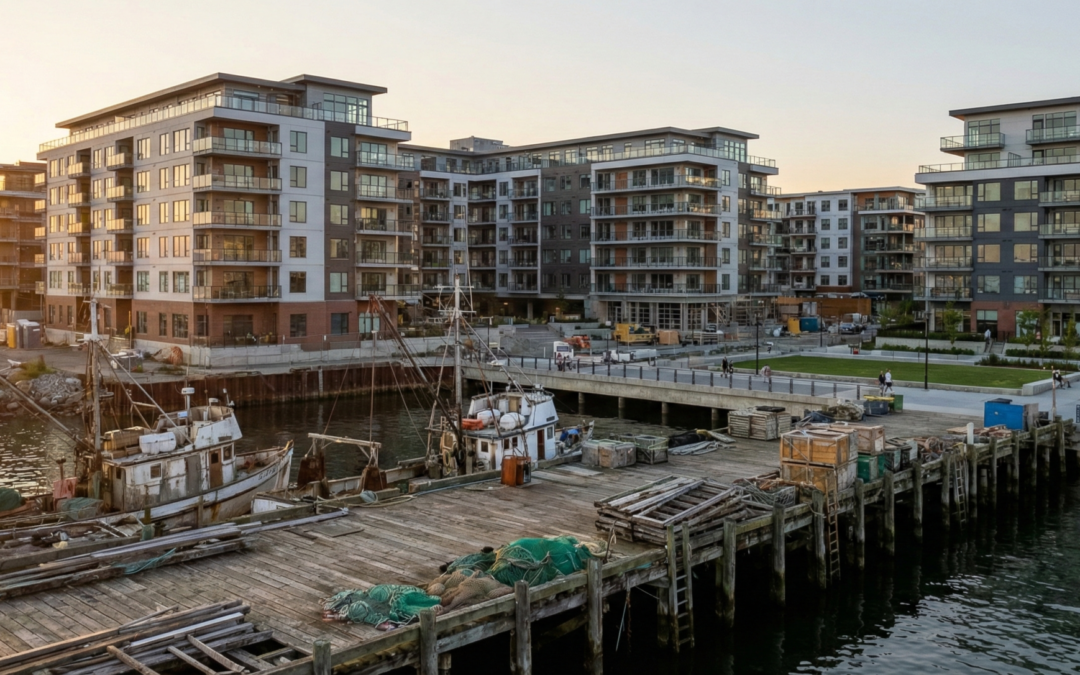
The conversion of fishing districts into residential neighborhoods has produced diverse development outcomes. In some locations, historic preservation efforts have maintained the character of existing structures while adapting them for residential use. In others, wholesale redevelopment has created entirely new residential complexes featuring modern architecture and contemporary amenities.
Waterfront residential developments typically incorporate features such as:
- Waterfront parks and public access points
- High-end residential units with premium pricing
- Mixed-income housing options
- Retail and entertainment venues
- Modern infrastructure and utilities
- Recreational facilities and waterfront promenades
Economic and Social Implications
Waterfront upzoning generates both significant economic benefits and notable challenges. The redevelopment of waterfront areas increases municipal tax revenues, creates construction and service sector employment, and stimulates surrounding economic activity. These projects often enhance property values and attract additional investment to coastal communities.
However, the transformation also presents complexities. The displacement of established maritime businesses and workers can alter community character and eliminate cultural traditions. Rising property values and housing costs may price out existing residents, contributing to gentrification concerns. Additionally, the loss of working waterfront space may eliminate opportunities for future maritime economic activity.
Balancing Preservation and Development
Progressive waterfront upzoning strategies attempt to balance residential development with preservation of maritime heritage and public access to waterfront resources. Some municipalities have implemented policies requiring developers to maintain public waterfront access, preserve historic buildings, or support maritime cultural institutions. Others have established mixed-use zoning that reserves portions of waterfront areas for working maritime purposes while allowing residential development elsewhere.
Successful waterfront revitalization projects often incorporate public-private partnerships that align developer interests with community objectives, ensuring that residential development contributes positively to neighborhood livability and economic vitality.
Future Outlook
As coastal communities continue to evaluate their economic futures, waterfront upzoning will likely remain an influential trend. However, growing awareness of climate change, sea-level rise, and flooding risks is prompting reconsideration of high-density waterfront development in some regions. Forward-thinking municipalities are incorporating resilience and sustainability considerations into waterfront zoning policies, ensuring that new residential developments can withstand environmental challenges while contributing to community prosperity and quality of life.