
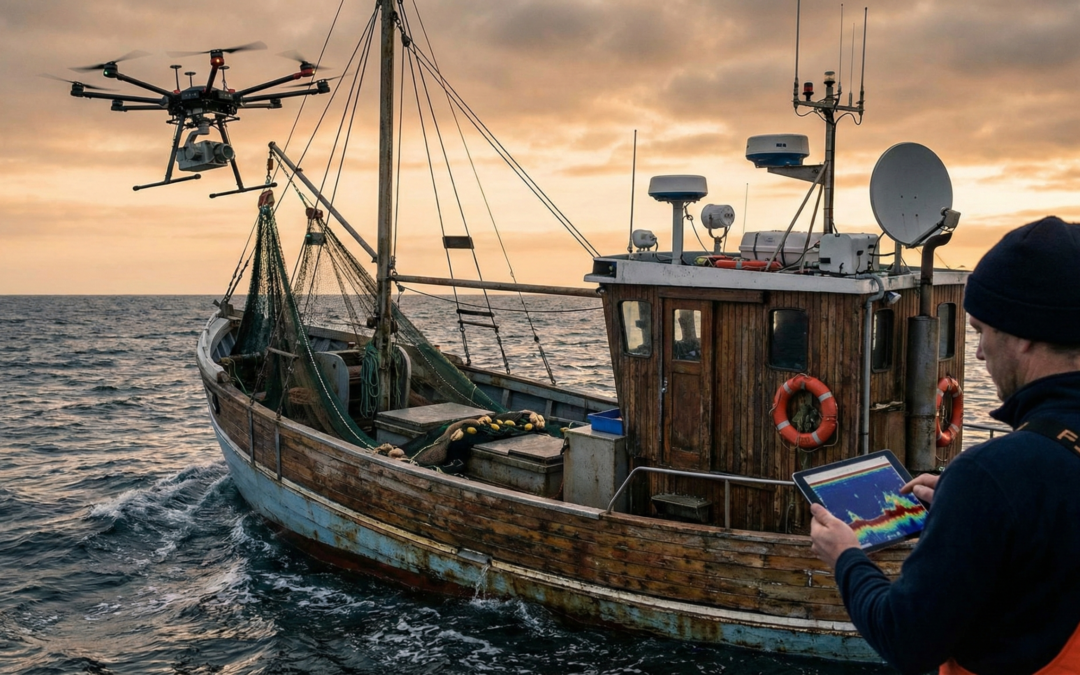
The fishing industry, one of humanity’s oldest professions, stands at the precipice of technological transformation. For centuries, fishermen relied on traditional methods, accumulated knowledge, and experience to navigate waters and locate their catch. Today, sophisticated innovations are fundamentally reshaping how commercial and artisanal fishing operations function, promising enhanced efficiency, sustainability, and profitability.
Digital Tools Revolutionizing Fleet Management
Modern fishing vessels increasingly incorporate advanced digital systems that provide real-time monitoring and optimization capabilities. GPS technology, combined with automated vessel monitoring systems (VMS), enables fleet operators to track their boats’ precise locations and movements. These systems not only improve operational efficiency but also support regulatory compliance and marine resource management initiatives.
Artificial intelligence and machine learning algorithms now analyze vast quantities of oceanographic and historical data to predict fish migration patterns and identify optimal fishing zones. This data-driven approach reduces fuel consumption, decreases operational costs, and minimizes the environmental impact of fishing activities by targeting specific areas rather than conducting extensive trawling operations.
Sensor Technology and Real-Time Catch Monitoring
Advanced sensor systems installed on fishing equipment provide fishermen with unprecedented insight into underwater conditions and catch composition. These technologies include:
- Acoustic sensors that detect fish schools and provide detailed information about species and size distribution
- Environmental sensors monitoring water temperature, salinity, and oxygen levels to assess ecosystem health
- Camera systems offering visual documentation of catch quality and compliance with fishing regulations
- Biological sensors tracking species-specific indicators and population health metrics
By implementing these monitoring systems, fishing operators gain immediate feedback about their activities, enabling quick adjustments to maximize sustainable catches while minimizing bycatch and environmental damage.
Blockchain and Supply Chain Transparency
One of the most significant innovations disrupting the fishing industry is blockchain technology, which creates immutable records of seafood products from ocean to consumer. This technological advancement addresses longstanding challenges related to illegal, unreported, and unregulated (IUU) fishing by establishing transparent supply chains.
Blockchain-based platforms enable consumers to verify the origin, handling methods, and sustainability credentials of seafood products. For legitimate fishing operations, this transparency becomes a competitive advantage, allowing them to command premium prices for responsibly sourced products while demonstrating their commitment to marine conservation.
Autonomous Vessels and Robotics
The development of autonomous fishing vessels represents the frontier of maritime technology. These unmanned or remotely operated boats promise to reduce operational costs, enhance safety, and improve working conditions for fishing crews. Autonomous vessels equipped with sophisticated navigation systems and AI-driven decision-making capabilities can operate continuously without the limitations of human fatigue or crew accommodation requirements.
Robotic systems are also being deployed for processing and sorting catches, improving product quality and safety standards while reducing labor-intensive manual work. These innovations address workforce challenges in an industry that traditionally struggles with recruitment and retention.
Sustainable Fishing Innovations
Technology is increasingly focused on promoting sustainable fishing practices that balance economic viability with environmental stewardship. Selective fishing gear equipped with electronic triggers can release non-target species or undersized individuals, significantly reducing bycatch rates.
Advanced aquaculture technologies, including land-based recirculating systems and offshore facilities, complement wild-catch fishing by providing alternative protein sources that reduce pressure on natural fish populations. These systems utilize environmental controls and monitoring technology to optimize growth conditions while minimizing ecological footprint.
Challenges and Regulatory Considerations
Despite the promising potential of fishing technology innovations, significant challenges remain. The high capital investment required for technological upgrades presents barriers for small-scale and artisanal fishing operations, potentially widening economic disparities within the industry.
Regulatory frameworks must evolve to accommodate new technologies while establishing standards for data sharing, environmental protection, and labor practices. International cooperation becomes essential as fishing operations frequently traverse multiple jurisdictions and shared waters.
Additionally, cybersecurity concerns emerge as fishing vessels and operations become increasingly connected to digital networks. Protecting sensitive operational and navigational data from unauthorized access requires robust security infrastructure and protocols.
The Future of Fishing
The convergence of technological innovation and fishing practices creates opportunities for a more sustainable, efficient, and transparent industry. As technologies mature and become more accessible, they promise to benefit operators of all scales while supporting global efforts to maintain healthy marine ecosystems.
The successful integration of technology in fishing depends upon collaborative efforts among industry stakeholders, government agencies, research institutions, and environmental organizations. By embracing innovation responsibly, the fishing industry can secure its future while ensuring that marine resources remain available for generations to come.