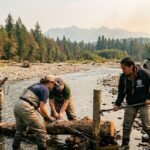
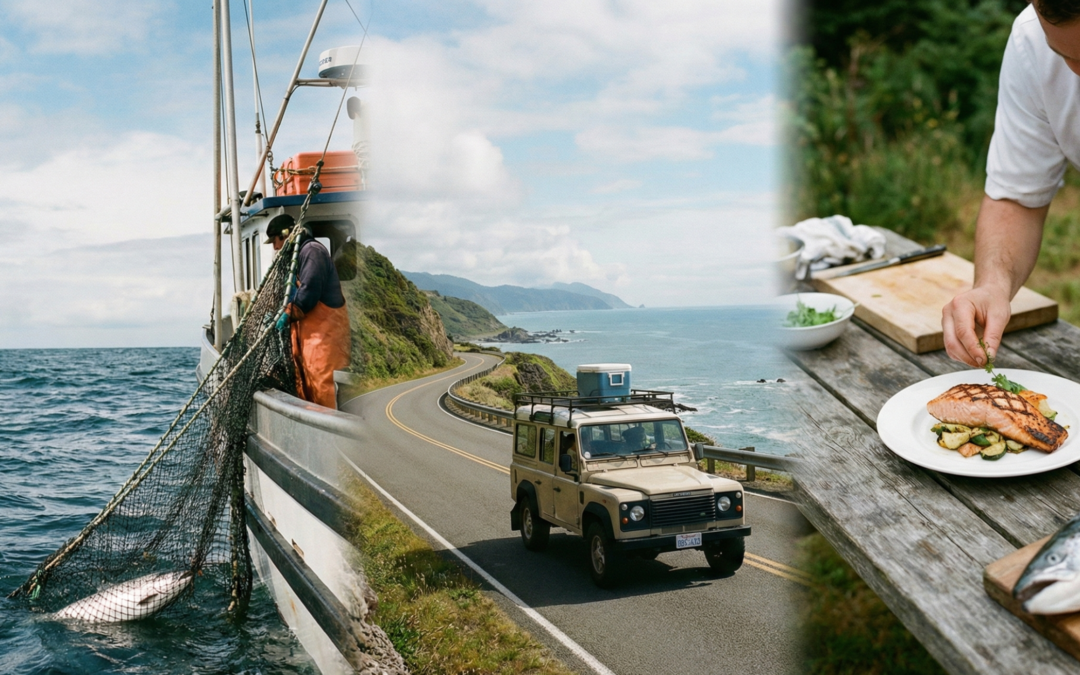
The salmon run represents one of nature’s most remarkable migrations. Each year, millions of salmon navigate treacherous waters and challenging terrain to return to their natal spawning grounds. This extraordinary journey, spanning thousands of miles from the ocean to freshwater rivers and streams, has captivated human observers for centuries and continues to inspire road trips across North America.
The salmon run typically occurs in late summer and autumn, with specific timing varying by species and geographic location. During this period, mature salmon cease feeding and rely entirely on stored body energy to complete their upstream migration. Understanding these cycles allows travelers to plan expeditions that coincide with peak activity, maximizing the likelihood of witnessing this natural spectacle.
Planning Your Salmon Run Road Trip
A successful salmon run road trip requires careful planning and consideration of several factors. Selecting the right location, timing your visit appropriately, and preparing adequate accommodations are essential components of trip preparation.
Choosing Your Destination
North America offers numerous exceptional locations for salmon run observation. The Pacific Northwest stands as the premier destination, with rivers throughout Washington, Oregon, California, and British Columbia hosting significant salmon populations. The Columbia River, Sacramento River, and Rogue River are particularly renowned for their accessibility and abundance of viewing opportunities.
Alaska represents another outstanding choice, featuring world-class salmon runs in rivers such as the Kenai, Russian, and Copper rivers. These destinations offer more remote experiences and opportunities to witness salmon in their most pristine natural habitats.
Optimal Timing
Timing your journey to coincide with peak salmon activity is crucial for an rewarding experience. Chinook salmon typically run from May through September, while coho and pink salmon migrations occur primarily in July and August. Sockeye salmon runs peak in July and August, whereas chum salmon migrations extend into the fall months.
Contacting local fish and wildlife agencies prior to your trip provides current information regarding run timing and abundance predictions. These organizations maintain detailed records and can guide you toward the most active viewing locations.
The Road Trip Itinerary
A comprehensive salmon run road trip typically spans one to two weeks, allowing sufficient time to travel between locations and experience multiple viewing opportunities.
Day-by-Day Planning Considerations
- Research and confirm salmon run schedules at least two months in advance
- Identify multiple viewing locations along your route to accommodate varying conditions
- Allow flexibility in your itinerary to respond to actual salmon activity patterns
- Schedule rest days in communities near prime viewing areas
- Plan for varied weather conditions with appropriate clothing and gear
Incorporating stops at interpretive centers and visitor facilities enhances your understanding of salmon biology and local ecosystems. Many locations offer ranger-led programs and educational exhibits that provide valuable context for your observations.
Witnessing the Journey: Salmon Viewing Experiences
The salmon run offers varied viewing opportunities, from casual observation at roadside pullouts to immersive experiences at dedicated viewing facilities. Understanding the different observation methods helps maximize your chances of memorable encounters.
Popular Viewing Locations
Fish ladders and viewing platforms allow observers to watch salmon navigate human-engineered obstacles during upstream migration. Bonneville Dam on the Columbia River features one of the most accessible and popular fish ladders in North America, attracting thousands of visitors annually.
Waterfall viewing areas provide dramatic settings for salmon observation. Shasta Cascade region waterfalls and Oregon’s Metlako Falls offer stunning vistas as salmon leap and navigate natural barriers. These locations require no special equipment or reservations, making them ideal for casual observers.
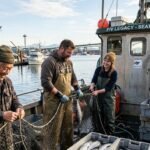
Guided fishing expeditions appeal to those seeking interactive experiences. Licensed outfitters throughout salmon country provide guided trips where participants can observe salmon behavior while attempting to catch their own dinner.
From Ocean to Table: The Culinary Connection
A salmon run road trip naturally culminates in dining experiences featuring the freshest possible salmon preparations. This progression from observing wild salmon in their natural habitat to savoring locally-prepared dishes creates a complete and meaningful journey.
Sourcing Local Salmon
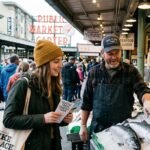
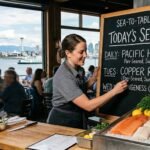
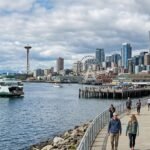
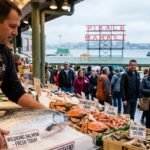
Visiting local fish markets and restaurants in salmon country ensures access to the freshest catches. Many establishments source salmon directly from commercial fisheries operating during the run, guaranteeing peak quality and flavor. Markets in Portland, Seattle, and Anchorage offer exceptional selections and knowledgeable staff who can recommend optimal preparations.
Culinary Traditions and Preparations
Pacific Northwest cuisine celebrates salmon through numerous traditional preparation methods. Native American tribes developed smoking techniques that preserve salmon for long-term storage while enhancing flavor profiles. Modern interpretations honor these traditions while incorporating contemporary culinary techniques.
Grilling fresh salmon over open flames represents a quintessential road trip dining experience. Many riverside lodges and campgrounds provide grilling facilities specifically for guest-prepared meals. Combining a fresh salmon fillet caught locally with regional produce creates an authentic farm-to-table experience.
Japanese-influenced preparations, particularly sashimi and ceviche, showcase salmon’s delicate flavors when absolutely fresh. Restaurants in coastal communities often feature these preparations alongside traditional preparations like cedar plank roasting and poaching.
Practical Considerations for Your Journey
Accommodation and Services
Accommodations near salmon viewing areas range from luxury riverside lodges to budget-friendly campgrounds. Booking well in advance ensures access to preferred facilities, particularly during peak viewing season. Many lodges offer package deals that include meals, guided experiences, and educational programming.
Weather Preparedness
Pacific Northwest weather can change rapidly, with rain, wind, and temperature fluctuations occurring within single days. Layered clothing, waterproof outerwear, and sturdy footwear are essential items for any salmon run road trip. Bring rain gear even during typically dry months, as weather patterns remain unpredictable.
Safety Considerations
Observing salmon requires accessing rivers and streams that may present hazards.