
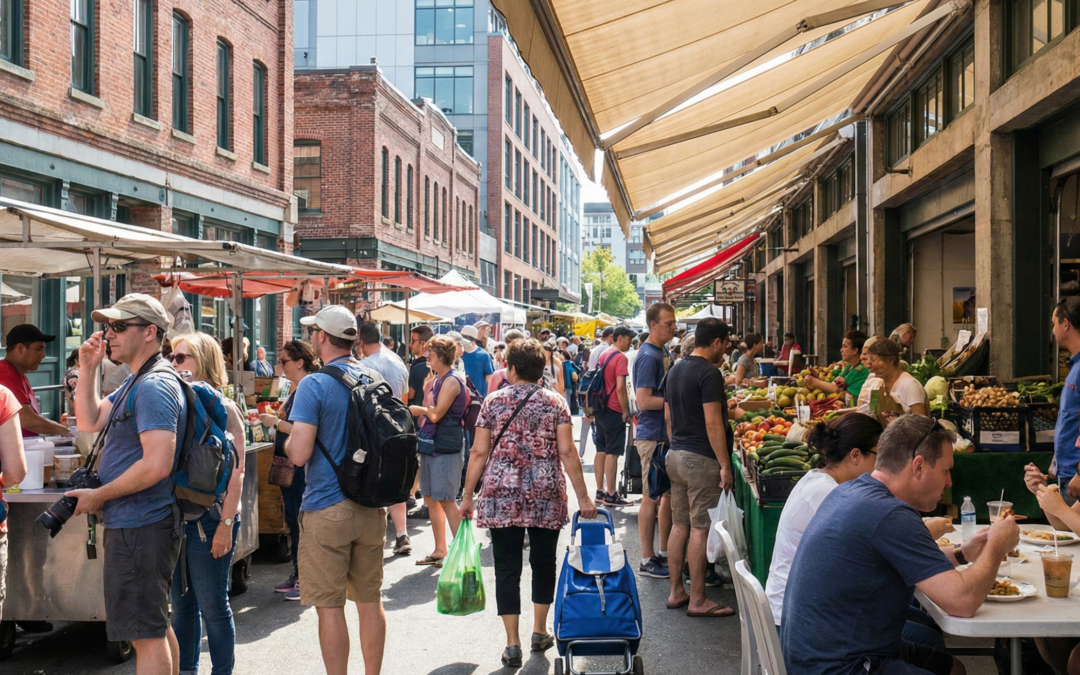
Public markets have long served as vital gathering spaces where communities converge to exchange goods, ideas, and cultural experiences. These bustling marketplaces transcend their primary commercial function, operating as authentic windows into local life and tradition. Whether a visitor seeks to understand a city’s character or a resident aims to support local producers, public markets offer an invaluable platform for meaningful connection and engagement.
The Historical Significance of Public Markets
Throughout history, public markets have functioned as the economic and social heartbeat of cities and towns worldwide. Dating back centuries, these venues have facilitated trade, enabled community dialogue, and preserved cultural heritage. The enduring presence of public markets reflects their fundamental importance to urban societies, providing spaces where commerce intersects seamlessly with community building and cultural expression.
Economic Benefits for Local Producers
Public markets create essential economic opportunities for local farmers, artisans, and small business owners. By providing affordable stall space and direct access to consumers, these markets enable producers to bypass intermediaries and maximize their earnings. This economic model strengthens local economies, supports sustainable livelihoods, and encourages entrepreneurship within communities.
Key Economic Advantages Include:
- Direct sales to consumers without retail markups
- Reduced distribution costs and supply chain complexity
- Steady customer bases built through regular market attendance
- Opportunities for product feedback and innovation
- Support for agricultural sustainability and local food systems
Visitor Experiences and Cultural Immersion
For visitors, public markets offer authentic cultural experiences that surpass typical tourist attractions. These venues provide unfiltered glimpses into daily local life, regional cuisine, traditional crafts, and community values. Travelers can engage directly with producers, learn about local ingredients, sample regional specialties, and acquire genuine artisanal products—all while contributing positively to the local economy.
What Visitors Discover at Public Markets:
- Fresh, seasonal produce and regional delicacies
- Handcrafted goods and traditional artisan products
- Authentic street food and culinary traditions
- Personal stories and historical knowledge from vendors
- Opportunities to practice local languages and customs
Building Community Connections
Public markets function as democratic spaces where social hierarchies dissolve and genuine human interaction flourishes. Regular market-goers develop relationships with vendors, discover new products through recommendations, and participate in a shared community ritual. These repeated interactions foster social cohesion, mutual trust, and a collective sense of belonging that strengthens community fabric.
Sustainability and Environmental Impact
Public markets naturally promote sustainable practices by reducing transportation distances and packaging waste associated with conventional retail. Local producers typically employ environmentally conscious methods, and the market model inherently encourages seasonal consumption and reduced food miles. This sustainability dimension appeals to environmentally aware consumers while supporting ecological preservation.
The Role of Public Markets in Urban Planning
Contemporary urban planners increasingly recognize public markets as essential infrastructure for livable, vibrant cities. These spaces activate public areas, increase foot traffic in neighborhoods, generate economic activity, and create gathering places that enhance quality of life. Well-maintained public markets contribute significantly to urban vitality, neighborhood identity, and resident satisfaction.
Challenges and Modern Adaptations
Public markets face modern challenges including competition from e-commerce, changing consumer preferences, and real estate pressures. However, many markets have successfully adapted by integrating technology, expanding programming with cultural events, improving facilities, and emphasizing their unique value propositions. These adaptations demonstrate the continued relevance and resilience of public markets in contemporary society.
Conclusion: The Timeless Value of Public Markets
Public markets remain indispensable institutions that bridge residents and visitors, support local economies, and preserve cultural traditions. As authentic spaces where commerce and community intersect, they offer something increasingly rare in modern life: genuine human connection and cultural exchange. Whether shopping for daily necessities or seeking authentic cultural experiences, participants in public markets contribute to vibrant, connected, and economically resilient communities that value local heritage and sustainable practices.