
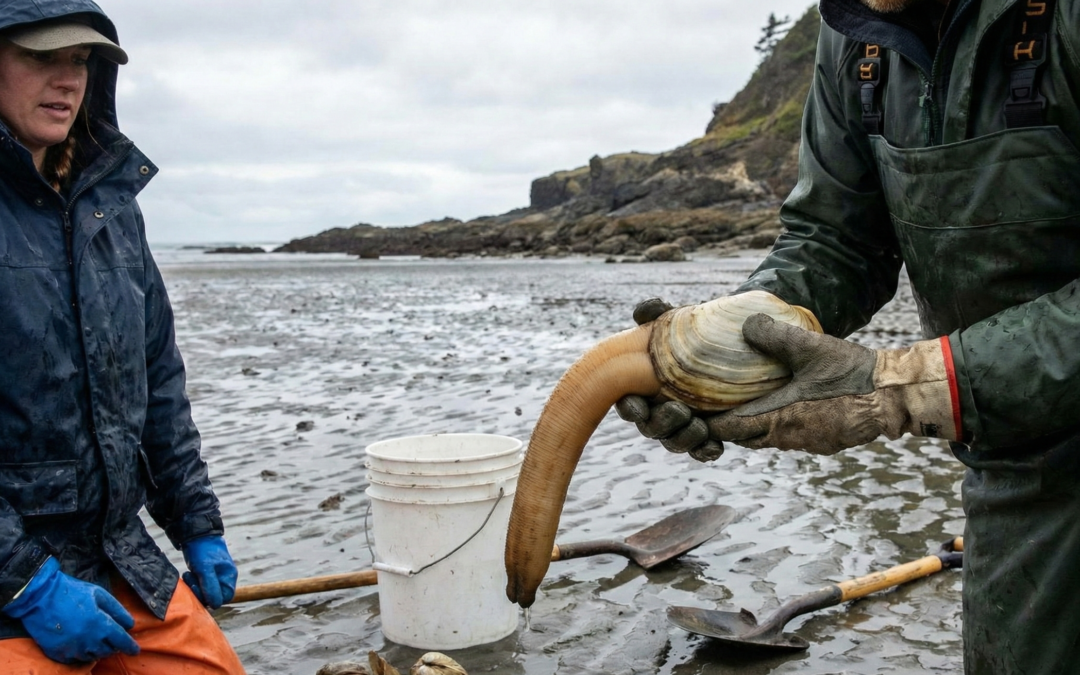
Geoducks, pronounced “gooey-duck,” represent one of the most distinctive and sought-after delicacies in seafood cuisine. Despite their peculiar appearance and even more unusual name, these large clams have earned a prestigious place in culinary traditions, particularly in Pacific Northwest cuisines and Asian markets. Understanding how to properly handle and prepare geoducks can transform them from intimidating novelties into memorable culinary experiences.
The geoduck is the largest burrowing clam in North America, native to the coastal waters of the Pacific Northwest. Their impressive size—often weighing between two to four pounds—and distinctive long siphon make them immediately recognizable. The name itself derives from the Lushootseed word “gʷidəq,” reflecting the deep indigenous heritage of this remarkable creature in the region.
Selecting and Purchasing Fresh Geoducks
When shopping for geoducks, freshness is paramount. Look for specimens that are alive and responsive, showing movement when gently touched. The shell should be intact without significant cracks or damage, and the creature should feel heavy for its size, indicating adequate moisture content.
Several key indicators distinguish quality geoducks:
- A firm siphon that retracts when touched
- No foul or overly strong odors
- Clean shells without excessive barnacle accumulation
- Reasonable price points—typically between $15 to $30 per pound depending on location and season
Purchase geoducks from reputable fishmongers or seafood markets with high turnover rates. This ensures you’re obtaining the freshest specimens available. If possible, ask about the sourcing and harvest date to confirm recent collection.
Proper Storage and Handling Techniques
Geoducks require careful storage to maintain their quality and safety. Keep them alive in a cool environment until you’re ready to prepare them. Unlike many shellfish, geoducks should be stored differently depending on your preparation timeline.
For short-term storage of one to two days, place geoducks in a breathable mesh bag or container and refrigerate at temperatures between 35 to 40 degrees Fahrenheit. Keep them slightly moist but not submerged in water, as excessive moisture can promote bacterial growth. Allow adequate air circulation around each clam to prevent deterioration.
Handle geoducks with care to avoid damaging their delicate siphons. Never store them in sealed plastic bags, as this restricts oxygen flow and hastens spoilage. If you notice any specimens that have stopped responding to stimuli or emit unpleasant odors, discard them immediately to prevent foodborne illness.
Cleaning and Preparation Methods
Before cooking, geoducks must be thoroughly cleaned to remove sand and debris from their shells. Start by rinsing the exterior under cold running water while gently scrubbing with a stiff brush to remove any barnacles or accumulated sediment. Pay particular attention to the ridged shell texture where particles tend to accumulate.
For sand removal from inside the shell, soak geoducks in a large bowl of clean, cold seawater or saltwater solution (approximately one-quarter cup of salt per gallon of water) for several hours. This encourages the clams to expel sand naturally through their siphons. Change the water every few hours to maintain quality, repeating this process two to three times until the soaking water remains clear.
Once cleaned, you have several options for extraction, depending on your intended preparation method:
- For raw consumption: Place the geoduck in the freezer for 15 minutes to relax the muscle, then use a sharp knife to carefully sever the adductor muscles holding the shell shut
- For grilling: Heat the clam gently over direct heat until it opens naturally, making extraction easier
- For slicing: Remove the entire body from the shell and carefully separate the siphon from the body, removing the dark outer skin by blanching briefly in boiling water
Traditional Preparation and Culinary Uses
Geoducks offer remarkable versatility in the kitchen, lending themselves to numerous preparation styles that showcase their unique sweet, tender meat. Asian cuisines, particularly Japanese and Chinese preparations, have elevated geoduck to an art form.
In Japanese cuisine, thinly sliced raw geoduck appears as a premium sashimi offering, prized for its tender texture and subtle sweetness. The meat is often served with minimal accompaniment—perhaps soy sauce, wasabi, and ginger—to highlight its delicate flavor profile.
Chinese culinary traditions frequently feature geoduck in soups and hot pots, where its meat absorbs surrounding flavors while maintaining its characteristic tender bite. The siphon, when properly prepared, develops a pleasant chewy texture that contrasts beautifully with the body’s softness.
Western preparations increasingly include geoduck in pasta dishes, ceviche, and sautéed preparations. The key to success lies in avoiding overcooking, which toughens the meat and diminishes its delicate qualities. Brief cooking—whether grilling, pan-searing, or blanching—preserves the ideal texture.
Flavor Profiles and Pairing Suggestions
Geoduck meat possesses a distinctly sweet, briny flavor with subtle oceanic notes. This profile makes it compatible with a variety of complementary ingredients and preparations. The natural sweetness pairs exceptionally well with citrus elements, delicate herbs, and light oils.