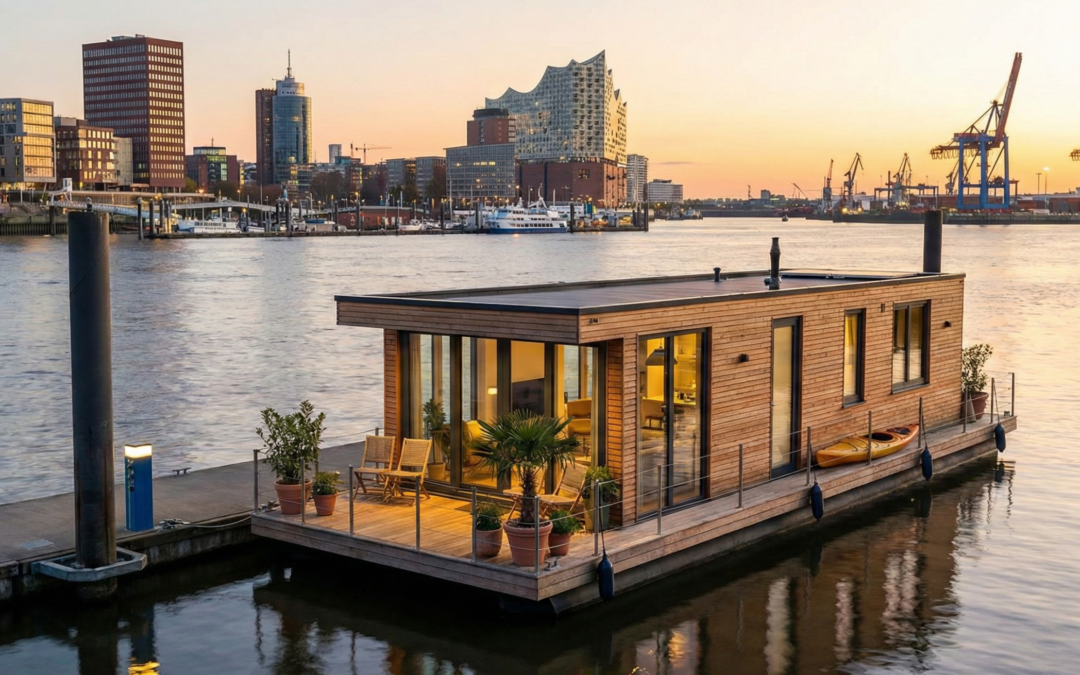
Floating homes represent an innovative approach to waterfront living that has gained considerable popularity in major port cities around the world. These distinctive residential structures, permanently moored in water rather than built on traditional land foundations, offer a unique lifestyle that combines the convenience of urban proximity with the serene benefits of waterfront living. As urbanization continues to increase housing demand in coastal areas, floating homes have emerged as a practical and sustainable alternative to conventional residential development.
The Appeal of Waterfront Living
The allure of waterfront residential properties extends beyond mere aesthetic considerations. Residents of floating homes enjoy direct access to water-based recreational activities, including boating, fishing, and water sports, while maintaining proximity to urban amenities. The daily experience of residing on water provides psychological benefits, with numerous studies demonstrating that waterfront environments contribute to improved mental health and overall well-being. Furthermore, waterfront properties typically command premium market values due to their scarcity and desirability.
Living in a floating home offers residents a distinctive sense of community. Many floating home communities foster strong neighborhood connections, as residents share common interests and experiences unique to waterfront living. These communities often feature shared facilities, organized social events, and collaborative management structures that strengthen interpersonal relationships among inhabitants.
Port Cities Leading the Floating Home Movement
Several major port cities have become centers of floating home innovation and development. Amsterdam, Netherlands, has established itself as a global leader in floating residential architecture, with over 2,500 registered houseboats. Seattle, Washington, and Vancouver, British Columbia, have developed thriving floating home communities that showcase the viability of this living arrangement in North American contexts. Other notable cities including Copenhagen, Hamburg, and Portland have similarly embraced floating residential development as part of their urban planning strategies.
Architectural and Engineering Considerations
The construction of floating homes requires specialized engineering expertise and adherence to rigorous maritime standards. Modern floating residences are engineered to withstand various environmental conditions, including water level fluctuations, wave action, and weather extremes. Key structural considerations include:
- Buoyancy systems designed to maintain stability and prevent capsizing
- Flexible utility connections that accommodate natural water movement
- Corrosion-resistant materials suitable for prolonged water exposure
- Advanced drainage and waterproofing systems
- Mooring systems that provide secure anchoring while allowing necessary movement
Contemporary floating homes often incorporate sustainable design principles, including solar panel installations, rainwater harvesting systems, and energy-efficient utilities. These environmental considerations reduce the ecological footprint of waterfront communities while minimizing operational costs for residents.
Regulatory Framework and Compliance
The development and operation of floating homes fall under comprehensive regulatory frameworks that vary by jurisdiction. Port authorities, maritime agencies, and local governments establish guidelines addressing safety standards, environmental protection, utility connections, and property rights. Prospective floating home owners must navigate zoning regulations, building codes, and waterway permits before establishing residency.
Insurance requirements for floating homes differ substantially from conventional residential properties. Specialized marine insurance coverage addresses unique risks associated with water-based living, including hull damage, water infiltration, and environmental liability. Prospective residents should thoroughly investigate insurance availability and costs before committing to waterfront property purchases.
Economic and Market Dynamics
The floating home market demonstrates distinct economic characteristics. Initial acquisition costs for floating properties often exceed comparable land-based residences, reflecting specialized construction requirements and limited supply. However, operational expenses for floating homes vary considerably depending on location, amenities, and utility infrastructure. Mooring fees, maintenance costs, and insurance premiums constitute significant ongoing expenses that potential buyers must factor into long-term financial planning.
Property values in established floating home communities have shown resilience and appreciation over extended periods. The scarcity of waterfront properties and growing demand for alternative urban living arrangements support sustained market interest. Investment potential remains attractive for buyers seeking unique properties in desirable port cities.
Environmental Impact and Sustainability
Floating homes present both opportunities and challenges from environmental perspectives. Properly designed and maintained floating communities minimize disturbance to aquatic ecosystems while allowing natural water movement and fish migration. Advanced waste management systems prevent water contamination, and responsible mooring practices protect seabed habitats from degradation.
However, concentrated residential development in waterways requires careful environmental monitoring. Potential concerns include increased turbidity, altered water circulation patterns, and habitat disruption. Sustainable floating home communities implement rigorous environmental management protocols and coordinate with conservation organizations to minimize ecological impacts.
Challenges and Practical Considerations
Despite their appeal, floating homes present practical challenges that require careful consideration. Water access complications can impede emergency response services, making fire safety and medical emergency protocols particularly important. Residents must adapt to natural water movement, which some individuals find uncomfortable during rough water conditions.
Utility infrastructure presents additional complications, as electricity, water, and sewage systems require specialized connections accommodating the dynamic nature of floating structures. Limited availability of qualified maintenance professionals for floating home repairs can result in extended service delays and elevated costs.
Social considerations merit attention as well. Not all individuals adjust comfortably to waterfront living, and the relative isolation of some floating home communities may prove challenging for residents accustomed to traditional urban neighborhoods.
The Future of Floating Home Communities
As urban populations continue expanding and waterfront land becomes increasingly scarce, floating homes are likely to constitute a growing proportion of residential development in port cities. Technological advances in construction materials, engineering techniques, and sustainable systems will enhance the viability and appeal of waterfront living arrangements. Progressive urban planning policies increasingly recognize floating homes as legitimate components of comprehensive housing strategies.
Emerging floating home developments incorporate innovative design features, including integrated transportation systems, community facilities, and mixed-use developments combining residential, commercial, and recreational spaces. These comprehensive approaches enhance community vitality while addressing practical limitations associated with earlier floating home implementations.
Conclusion
Floating homes represent a compelling solution to waterfront residential demand in port cities worldwide. By combining distinctive lifestyle advantages with innovative architectural and engineering approaches, these unique properties offer alternatives to conventional urban housing.