
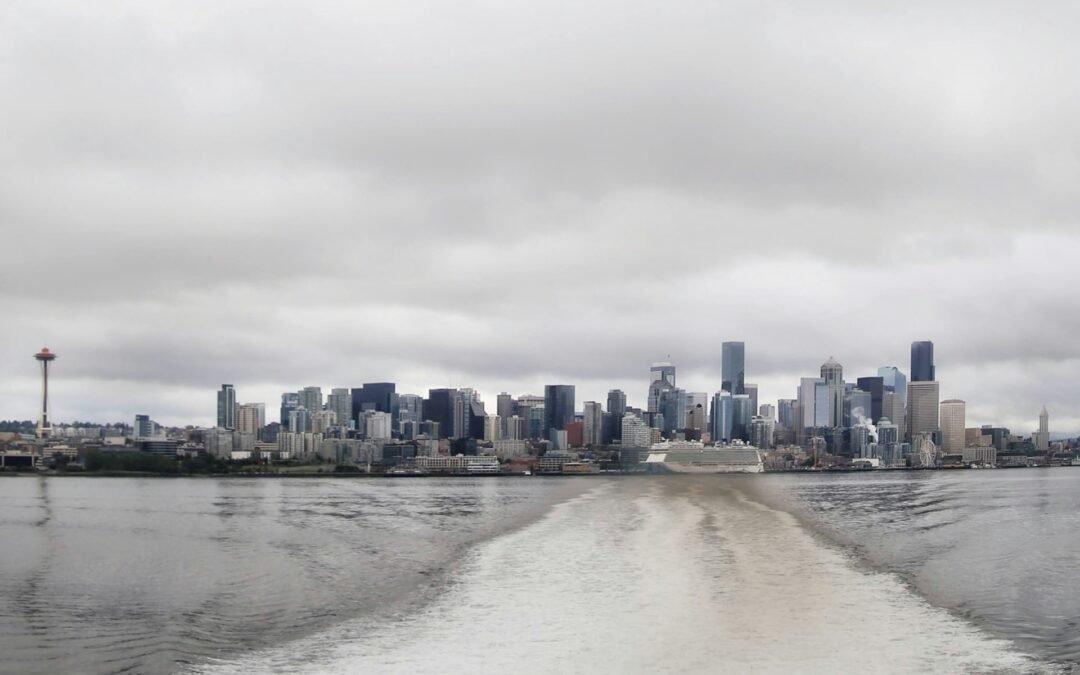
Seattle’s identity is inseparable from the waters that surround it. The city sits on the shores of Puget Sound, where the rhythmic rise and fall of tides shape the daily routines of fishermen, waterfront workers, outdoor enthusiasts, and neighborhood residents alike. These tides, driven by the gravitational pull of the moon and sun, create two high and two low tides each day, influencing everything from boating schedules to beach exploration and marine life activity. Meanwhile, the changing seasons bring their own patterns: summer’s longer daylight encourages beachcombing at low tides and outdoor festivals, while winter shifts water temperatures, wind patterns, and marine behavior. The interplay between tides and seasons not only affects natural rhythms but also touches local culture, recreation, and commerce. Understanding these natural cycles provides insight into how Seattleites live in harmony with their ocean landscape rather than simply beside it.
Tides as a Daily Rhythm
Puget Sound’s tides are a defining force along Seattle’s waterfront. Mixed tidal patterns, with two high and low tides each day, create predictable yet dynamic changes in water levels around Elliott Bay and the Central Waterfront. For fishers and commercial boats, knowing when the tide will be high or low can determine the best time to set nets, fish for salmon, or launch crabbing pots. Recreational kayakers and paddleboarders also plan outings around tidal windows to ensure safe and smooth navigation through channels and sheltered coves.
At low tide, rocky beaches and tide pools emerge, offering rich ecosystems that teem with invertebrates, sea stars, barnacles, and other marine life. Programs led by organizations like the Seattle Aquarium’s Beach Naturalist help locals and visitors safely explore these intertidal zones, turning natural tidal shifts into educational and recreational opportunities.
Seasonal Shifts and Outdoor Lifestyles
Seattle’s seasons further influence how residents interact with the water. In summer, longer days and milder weather draw people to waterfront trails, beaches, and ferries for outings that often revolve around timing tides with leisure activities. Families stroll exposed sandbars at low tide, while anglers cast lines at high tide for salmon and other catches. The seasonal surge in tourism and outdoor festivals also coincides with more stable weather and favorable tidal conditions.
Winter brings shorter daylight and cooler temperatures, shifting the focus toward storm watching along beaches and waterfront parks or enjoying indoor maritime events and seafood markets. Residents still monitor tide charts, but their relationship with the water shifts from recreation to observation and community gatherings along the shore.
Tides, Ecology, and Community Life
Beyond recreation, tides and seasonal changes influence Seattle’s ecology and community rhythms. Estuarine circulation in Puget Sound mixes deep and shallow waters, affecting nutrient distribution and supporting diverse marine ecosystems that local fisheries depend on. Ferry routes, cargo vessels, and even shoreline restoration projects are planned with tides in mind, reflecting how deeply these natural patterns are woven into the city’s infrastructure and daily life.
Conclusion
In Seattle, tides and seasons shape daily life along the water. They are more than scientific phenomena. They influence routines, traditions, and outdoor activities. The steady ebb and flow of Puget Sound has guided Indigenous communities, fishers, and residents for generations. Seasonal changes in weather and daylight also affect how people spend time outside. These changes support local ecosystems and marine life. In summer, people explore beaches and tide pools. In winter, they enjoy waterfront walks and storm watching. These natural rhythms teach patience and awareness. They also build respect for the environment. Seattle residents stay connected to these cycles in everyday life. They plan fishing trips around tides. They explore intertidal zones during low tide. Many simply watch sunsets over Puget Sound. This connection to nature grows stronger over time. Each tide and season adds to the experience
Photo by J. Brouwer on Unsplash