
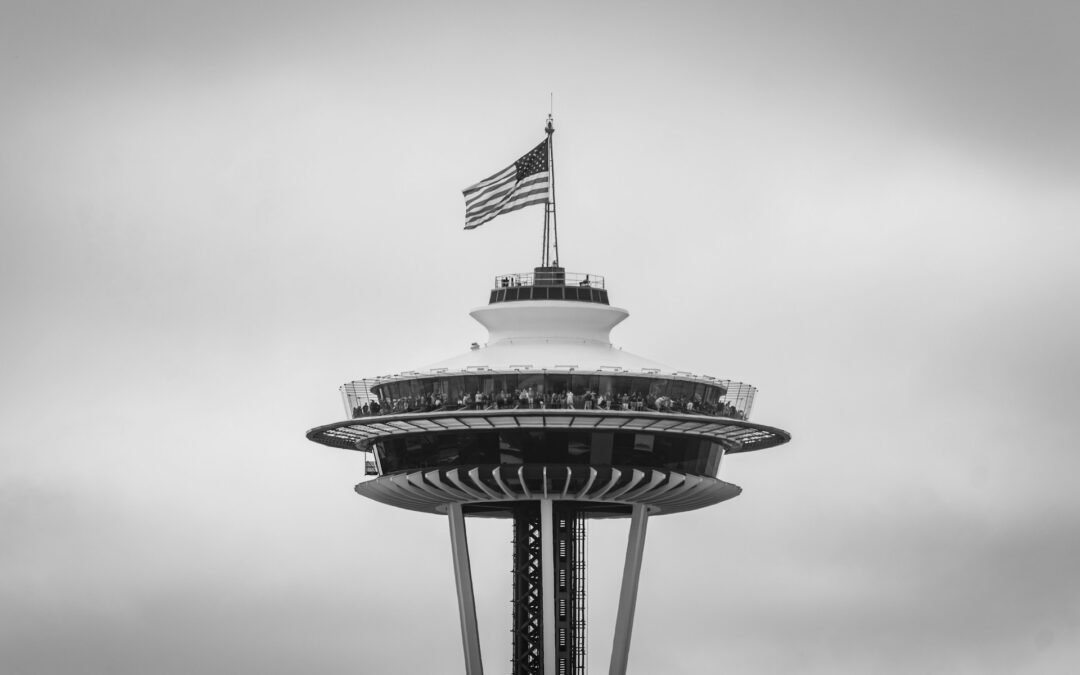
When people think of Seattle, images of the Space Needle, glass towers, and misty waterfronts often come to mind. While the skyline is striking, it represents only a small part of the city’s identity. Beyond its famous landmarks lies a place shaped by deep history, layered cultures, and a strong sense of local community. Seattle’s story begins long before modern development, rooted in Indigenous heritage and sustained by its relationship with water, forests, and trade. Over time, waves of migration, maritime industries, music, and technology transformed the city into a dynamic urban center. Today, Seattle’s neighborhoods reveal everyday life that blends tradition with innovation. Exploring beyond the skyline uncovers a city defined not by its buildings alone, but by the people, stories, and cultural connections that shape daily life across its diverse communities.
Historical Roots That Shaped the City
Seattle’s history reaches back thousands of years to the Coast Salish peoples who lived along the region’s waterways. Fishing, canoe travel, and seasonal gathering shaped early life and established a lasting connection to the sea. In the nineteenth century, settlers arrived, and Seattle developed as a port city driven by logging, fishing, and trade. Events such as the Klondike Gold Rush accelerated growth, while rebuilding after the Great Fire reshaped the city’s layout. These layers of history remain visible today in older neighborhoods, preserved districts, and the city’s continued reliance on maritime industries.
Cultural Diversity and Creative Expression
Seattle’s culture reflects the many communities that have made it home. Neighborhoods such as Ballard celebrate Scandinavian roots tied to fishing and shipbuilding, while the Chinatown–International District highlights Asian American heritage through food, festivals, and historic architecture. The city’s creative energy is equally strong, from its globally influential music scene to its thriving arts, theater, and literary communities. Coffeehouses, music venues, and galleries function as social spaces where ideas and creativity are shared, reinforcing Seattle’s reputation as a city that values expression and individuality.
Local Life in Seattle Neighborhoods
Daily life in Seattle is shaped by its neighborhoods, each with its own character and rhythm. Farmers’ markets, independent bookstores, and locally owned cafés play a central role in community life, serving as gathering spaces where neighbors connect, and local culture thrives. Residents embrace outdoor living, making regular use of parks, waterfront trails, and green spaces throughout the year, regardless of the weather. Public transit, ferries, and walkable districts encourage connections between communities and support a balanced urban lifestyle. While tourism is visible, local routines, morning coffee stops, evening walks, neighborhood events, and weekend markets reveal a slower, more grounded side of the city. This everyday way of life reflects Seattle’s emphasis on sustainability, community, and quality of living that visitors often overlook.
Conclusion
Looking beyond the skyline reveals Seattle as a city defined by people rather than landmarks. Its history, rooted in Indigenous culture and maritime tradition, continues to shape its values and lifestyle. Cultural diversity, creative expression, and strong neighborhood identities give Seattle a character that feels both global and deeply local. Everyday life unfolds through community spaces, shared traditions, and a collective respect for nature and heritage. By exploring beyond iconic views, one discovers a city that balances progress with preservation and innovation with tradition. Seattle’s true essence lies not in its towers or attractions, but in the stories lived out daily across its neighborhoods. Understanding this deeper perspective allows the city to be appreciated not just as a destination, but as a living, evolving community shaped by its past and present alike.