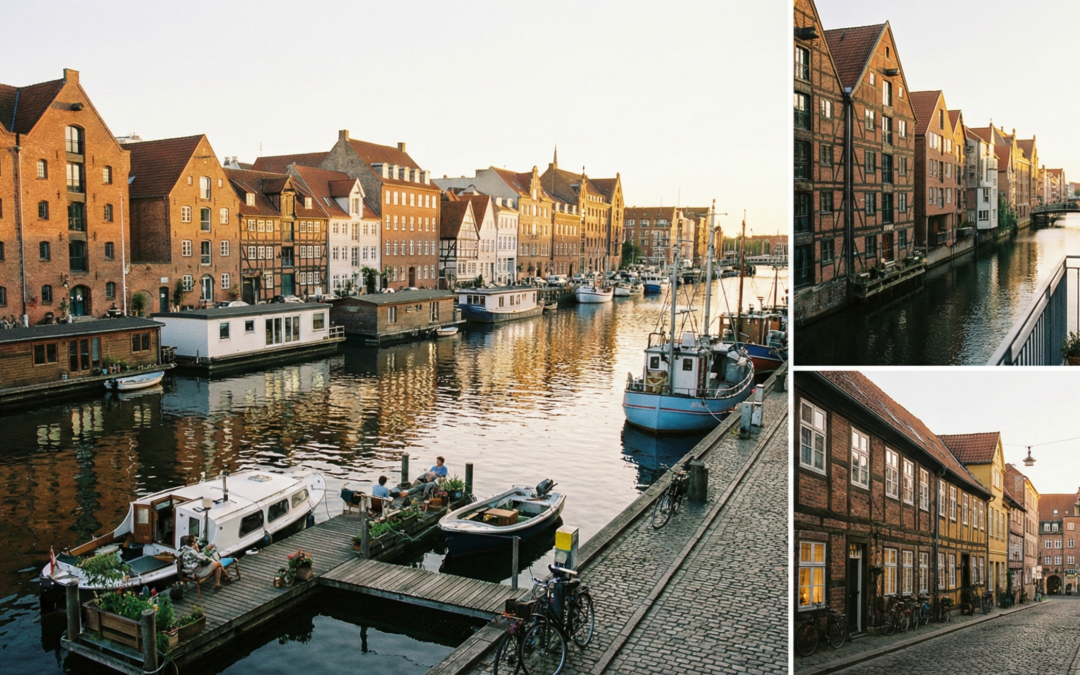
Waterfront living represents a distinctive lifestyle choice that combines natural beauty with urban convenience. Harbor cities offer residents unprecedented access to maritime environments while maintaining the amenities and services expected in modern metropolitan areas. This unique blend of coastal charm and city living has made waterfront properties increasingly sought after by individuals and families seeking a refined quality of life.
The Appeal of Harbor Cities
Harbor cities possess inherent advantages that distinguish them from inland urban centers. The proximity to water bodies creates natural recreational opportunities, enhances property values, and fosters vibrant cultural communities. Residents benefit from improved air quality, scenic vistas, and access to water-based activities that define the waterfront lifestyle experience.
Economic Advantages
Cities built around harbors historically developed as trade and commerce hubs. This economic foundation continues to provide robust job markets and diverse career opportunities across multiple sectors including maritime industries, tourism, hospitality, and professional services. The established infrastructure supporting commerce often translates to superior public services and amenities for residents.
Cultural and Recreational Opportunities
Waterfront locations naturally attract cultural institutions, entertainment venues, and recreational facilities. Residents enjoy access to seafood restaurants, art galleries, waterfront parks, and marine activities. The dynamic atmosphere created by these establishments contributes to a vibrant community character that enhances daily life and social engagement.
Practical Considerations for Waterfront Residents
While waterfront living offers substantial benefits, prospective residents must carefully evaluate practical factors that influence the overall living experience and property investment value.
Environmental and Weather Factors
Coastal locations present specific environmental considerations. Hurricane seasons, salt spray corrosion, increased humidity levels, and potential flooding require careful assessment. Properties in these areas often command higher insurance premiums and may necessitate specialized maintenance protocols to preserve structural integrity and aesthetic appeal.
Property Maintenance Requirements
Waterfront properties demand rigorous maintenance standards to combat salt air exposure and moisture-related deterioration. Materials require careful selection for durability and corrosion resistance. Regular inspections and preventative maintenance become essential investments in property longevity and value preservation.
Regulatory and Zoning Considerations
Waterfront properties typically fall subject to enhanced regulatory frameworks addressing environmental protection, building codes, and coastal management. Prospective buyers must thoroughly investigate local ordinances, building restrictions, and environmental regulations before committing to property acquisition in harbor cities.
Financial Aspects of Waterfront Living
The financial dimensions of waterfront property ownership merit comprehensive analysis to ensure sound investment decisions.
Property Valuation
Waterfront properties traditionally command premium pricing compared to inland equivalents. Water views, beach access, and proximity to maritime amenities justify substantial price premiums. However, this elevated cost structure requires careful evaluation against personal financial circumstances and long-term investment objectives.
Insurance and Operating Costs
Coastal properties typically incur higher insurance expenses due to elevated environmental risk profiles. Property taxes, maintenance costs, and utility expenses may also exceed inland counterparts. Potential residents should incorporate these ongoing expenses into comprehensive financial planning.
Choosing the Right Harbor City
Selecting an appropriate waterfront community requires evaluating multiple factors aligned with individual preferences and lifestyle priorities.
Climate and Weather Patterns
Different harbor cities experience varying climate conditions. Some locations offer year-round temperate weather, while others face significant seasonal variations. Understanding local climate patterns, seasonal tourism fluctuations, and weather-related challenges enables informed decision-making aligned with personal preferences.
Community Character and Demographics
Harbor cities possess distinct community identities shaped by local history, economic foundations, and demographic composition. Prospective residents benefit from spending extended time exploring neighborhoods, interacting with current residents, and assessing whether community values and lifestyle align with personal expectations.
Proximity to Urban Amenities
While waterfront living emphasizes maritime environments, access to broader urban services remains important. Evaluate proximity to quality healthcare facilities, educational institutions, shopping centers, and professional services when selecting harbor city locations.
Sustainability in Waterfront Communities
Contemporary waterfront living increasingly emphasizes environmental stewardship and sustainable practices. Many harbor cities have implemented comprehensive environmental protection initiatives, renewable energy programs, and water quality management systems. Residents can actively participate in conservation efforts while enjoying coastal environments, contributing to long-term community sustainability.
Conclusion
Waterfront living in harbor cities offers a compelling lifestyle combining natural beauty, cultural richness, and economic opportunity. However, successful relocation requires thorough evaluation of environmental factors, financial implications, and personal lifestyle alignment. By carefully assessing practical considerations alongside the undeniable appeal of coastal living, individuals can make informed decisions that result in rewarding, sustainable waterfront experiences in vibrant harbor communities.