
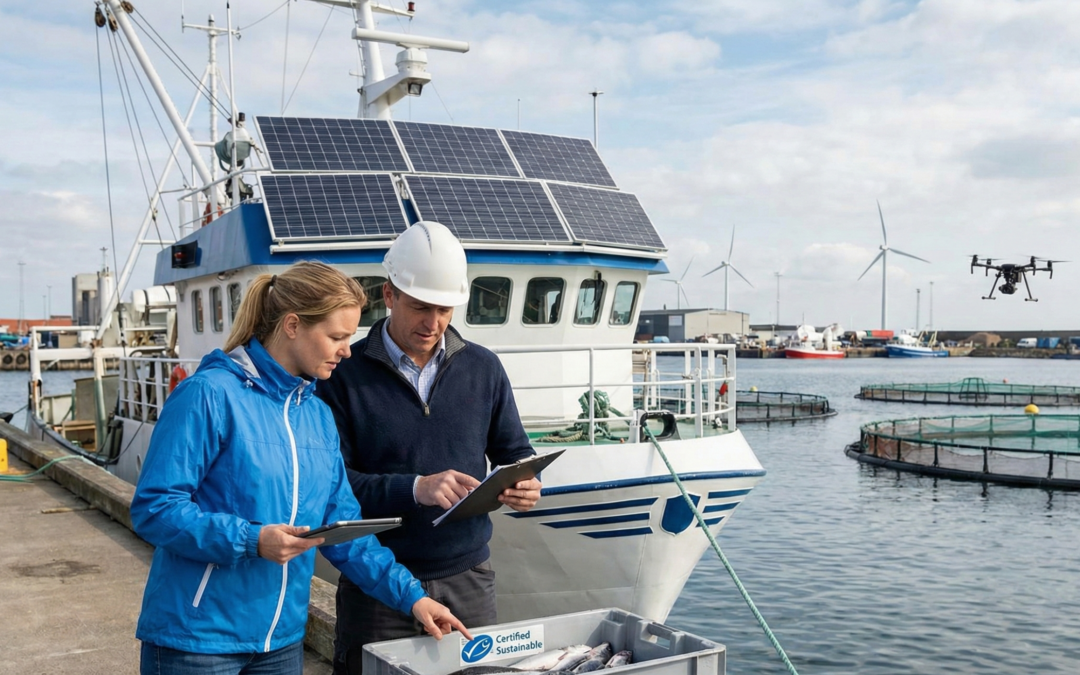
The blue economy represents a sustainable approach to ocean and water resource management, encompassing industries such as fisheries, aquaculture, marine biotechnology, renewable energy, and sustainable tourism. As global demand for marine resources continues to increase, the blue economy offers significant opportunities for economic growth while maintaining environmental integrity. However, realizing this potential requires robust frameworks that ensure responsible resource management and environmental protection.
The Role of Sustainable Certifications in the Blue Economy
Sustainable certifications serve as critical mechanisms for verifying that marine industries operate according to stringent environmental and social standards. These certifications provide consumers, investors, and stakeholders with transparent assurance that products and services meet established sustainability criteria. By implementing certified practices, blue economy sectors can demonstrate their commitment to long-term environmental stewardship while accessing premium markets and building consumer trust.
Market Access and Competitive Advantage
Sustainable certifications directly facilitate market access for blue economy enterprises. International retailers and conscious consumers increasingly demand certified products, creating a competitive advantage for certified businesses. This market differentiation enables companies to command premium pricing, improve profit margins, and expand their customer base in environmentally conscious markets worldwide.
Environmental Protection and Resource Management
Certifications establish measurable standards for environmental protection across marine sectors. These frameworks ensure:
- Prevention of overfishing and protection of fish stocks for long-term viability
- Reduction of bycatch and protection of non-target marine species
- Minimization of habitat destruction and ecosystem degradation
- Proper waste management and pollution control measures
- Conservation of biodiversity in marine environments
Key Sustainable Certification Standards
Marine Stewardship Council (MSC) Certification
The Marine Stewardship Council certification represents one of the most recognized standards for wild-capture fisheries. The MSC standard evaluates fisheries based on three core principles: sustainable fish stocks, minimal environmental impact, and effective management systems. Certified fisheries demonstrate compliance through regular audits and ongoing monitoring, ensuring continued adherence to sustainability standards.
Aquaculture Stewardship Council (ASC) Certification
ASC certification focuses on farmed seafood production, establishing standards for responsible aquaculture practices. These standards address feed sourcing, water quality management, disease control, social responsibility, and traceability. ASC certification helps prevent the environmental degradation commonly associated with conventional aquaculture operations.
International Standards and Regional Certifications
Beyond major global standards, numerous regional and specialized certifications address specific blue economy sectors. These include certifications for sustainable seaweed harvesting, marine biotechnology applications, sustainable tourism operations, and coastal protection initiatives. This diverse certification landscape ensures that all blue economy activities maintain appropriate environmental and social standards.
Benefits for Blue Economy Stakeholders
For Producers and Enterprises
Sustainable certifications provide producers with tangible business benefits. Certified enterprises gain access to premium market segments, experience reduced regulatory risk, and build stronger relationships with environmentally conscious investors. Additionally, certification processes often facilitate operational efficiencies, improved resource management, and reduced waste, contributing to both sustainability and profitability.
For Consumers and Retailers
Certifications empower consumers to make informed purchasing decisions that align with their environmental values. Retailers benefit from simplified supply chain verification, reduced liability concerns, and enhanced brand reputation through offering certified products. Clear certification labeling allows consumers to easily identify sustainable options.
For Governments and Policy Makers
Sustainable certifications assist governments in achieving their sustainability goals and meeting international environmental commitments. By promoting certified practices, governments can support economic development while protecting marine ecosystems. Certifications also provide data-driven insights for evidence-based policy development and enforcement.
Challenges and Considerations
Implementation Costs and Technical Requirements
Obtaining and maintaining sustainable certifications requires significant investment in systems, training, and compliance measures. Smaller enterprises and developing nations may face particular challenges in meeting certification requirements, potentially creating barriers to participation in sustainable blue economy growth. Support mechanisms and capacity-building initiatives are essential to ensure inclusive access to certification programs.
Ensuring Credibility and Preventing Greenwashing
With increasing numbers of certification schemes, maintaining rigorous standards and preventing credibility erosion is crucial. Certifying bodies must implement robust third-party auditing, transparent criteria development, and regular standard updates to reflect scientific advances. This vigilance prevents greenwashing and ensures certifications meaningfully represent genuine sustainability commitments.
Future Directions for Sustainable Certifications
Integration and Harmonization
The blue economy certification landscape continues evolving toward greater integration and harmonization. Efforts to align standards across regions and sectors reduce complexity for producers and retailers while strengthening overall sustainability outcomes. Digital platforms increasingly enable efficient certification tracking and supply chain transparency.
Technology and Innovation
Emerging technologies such as blockchain, artificial intelligence, and remote monitoring systems enhance certification verification and traceability. These innovations reduce fraud risk, improve data accuracy, and enable real-time monitoring of certified operations. Technology adoption makes certifications more reliable and accessible, particularly for resource-limited enterprises.
Addressing Climate Change and Emerging Threats
Future certification frameworks must increasingly address climate change impacts and emerging marine threats. Updated standards will incorporate climate resilience requirements, carbon footprint measurements, and adaptive management strategies to ensure blue economy sustainability under changing environmental conditions.
Conclusion
Sustainable certifications represent essential tools for enabling responsible blue economy growth. By establishing clear standards, improving market access, and protecting marine resources, certifications facilitate the creation of a truly sustainable ocean economy. As the blue economy expands to meet global demands for marine resources and services, robust certification frameworks will prove increasingly valuable in ensuring that economic development proceeds in harmony with environmental protection and social responsibility.