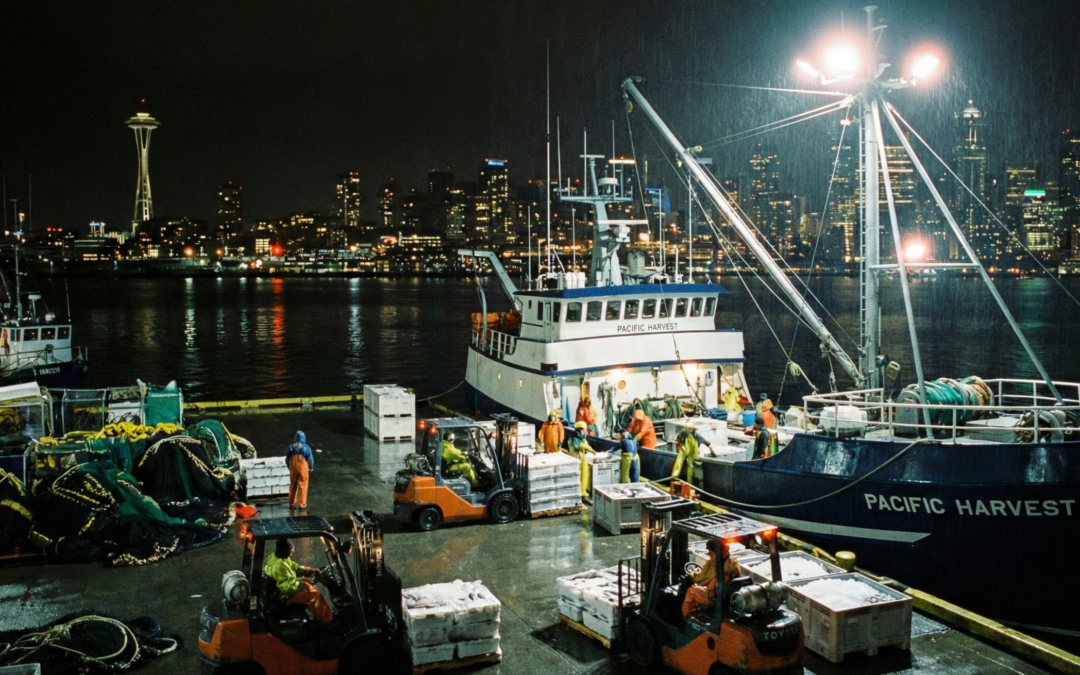
Seattle’s waterfront comes alive after sunset as one of the Pacific Northwest’s most vital fishing operations enters its peak hours. The arrival of fresh seafood during nighttime hours represents a critical component of the city’s commercial fishing industry, supporting local restaurants, markets, and consumers who depend on the highest quality catch.
Understanding Seattle’s Harbor Operations
The Port of Seattle operates as a major hub for commercial fishing vessels returning from the waters of the Pacific Ocean and Puget Sound. These operations intensify during evening and early morning hours, when fishing boats dock to unload their daily catches. The harbor’s infrastructure has been specifically designed to handle the volume and timing of these operations, with specialized facilities and cold storage systems working around the clock.
The Night Shift in Commercial Fishing
The nighttime arrival of seafood reflects the natural rhythms of fishing operations. Vessels often time their returns to coincide with market demand and optimal unloading conditions. This schedule ensures that fish, salmon, shellfish, and other marine products are processed and distributed while at their peak freshness.
Fresh Catch Varieties
Seattle’s harbor welcomes an impressive array of seafood species throughout the year:
- Pacific salmon, including chinook, coho, and sockeye varieties
- Halibut and other groundfish species
- Dungeness crab and other crustaceans
- Shellfish including oysters, mussels, and clams
- Cod, pollock, and other commercial fish species
The Distribution Network
Once unloaded at the harbor, fresh seafood enters a sophisticated distribution system that connects directly to Seattle’s renowned restaurant scene, local fish markets, and regional suppliers. The efficiency of nighttime operations ensures that diners can enjoy truly fresh seafood at their tables within hours of the catch being landed.
Quality Control and Processing
The arrival of fresh seafood after dark triggers an extensive quality control process. Trained professionals inspect each catch, assess quality metrics, and prepare products for market according to strict health and safety standards. Cold chain management remains paramount throughout this process, with temperature-controlled facilities preventing any degradation of quality.
Economic Impact on Seattle
The commercial fishing industry contributes significantly to Seattle’s economy. The nighttime operations support hundreds of jobs across fishing, processing, distribution, and retail sectors. Local businesses depend on reliable access to premium fresh seafood to maintain their competitive edge and reputation.
Sustainability and Responsible Fishing
Modern Seattle harbor operations increasingly emphasize sustainable fishing practices. Regulatory frameworks ensure that commercial fishing maintains healthy fish populations while supporting the livelihoods of fishing families. Fishing vessels operating in these waters adhere to strict catch limits and seasonal restrictions designed to protect marine ecosystems.
The Culinary Connection
Seattle’s world-class restaurant industry relies heavily on the fresh seafood arriving nightly at the harbor. Chefs throughout the city source their finest ingredients directly from the catch, creating menus that showcase the region’s natural bounty. This direct connection between harbor and kitchen defines Seattle’s culinary identity.
Visiting the Harbor After Dark
While the working harbor operates as an industrial facility, visitors interested in seafood commerce can explore the waterfront during daylight hours to understand the scale and importance of these operations. Pike Place Market, located near the harbor, offers visitors the opportunity to purchase fresh seafood and observe the vibrant fish markets that have served Seattle for over a century.
Conclusion
Seattle’s harbor after dark represents the vital intersection of natural resource, commerce, and culinary tradition. The nightly arrival of fresh seafood sustains the city’s reputation as a premier destination for exceptional seafood dining and maintains a fishing heritage that extends back generations. Whether supporting local restaurants or feeding families throughout the region, the products unloaded during these nocturnal operations remain central to what makes Seattle’s food culture distinctive and celebrated.