Red tide, scientifically known as harmful algal bloom (HAB), represents a significant public health concern affecting coastal communities worldwide. These natural phenomena occur when certain species of algae multiply rapidly in marine environments, creating dense concentrations that discolor the water and release toxins into the surrounding ecosystem. Understanding the nature of red tide is essential for protecting yourself and your family from potential health hazards.
The term “red tide” derives from the reddish-brown coloration often visible when these algal blooms occur, though not all harmful algal blooms produce this distinctive color. Various environmental factors, including nutrient pollution, warm water temperatures, and specific oceanic conditions, contribute to the development and persistence of these blooms.
Health Risks Associated with Red Tide Shellfish
Shellfish consumption during red tide events poses serious health risks due to the accumulation of marine biotoxins in edible tissues. Several toxins commonly associated with harmful algal blooms include:
- Saxitoxin (Paralytic Shellfish Poisoning): Causes numbness, tingling, and potential respiratory paralysis
- Domoic Acid (Amnestic Shellfish Poisoning): Leads to memory loss, disorientation, and neurological complications
- Okadaic Acid (Diarrhetic Shellfish Poisoning): Produces gastrointestinal distress and severe diarrhea
These biotoxins accumulate in the flesh and digestive systems of shellfish, including clams, mussels, oysters, and scallops. Unlike bacterial contamination, cooking, freezing, or chemical treatment cannot eliminate these naturally occurring toxins, making prevention through avoidance the most effective safety strategy.
Recognizing Red Tide Warning Signs
Identifying red tide conditions before consuming shellfish is critical for personal safety. Key warning indicators include:
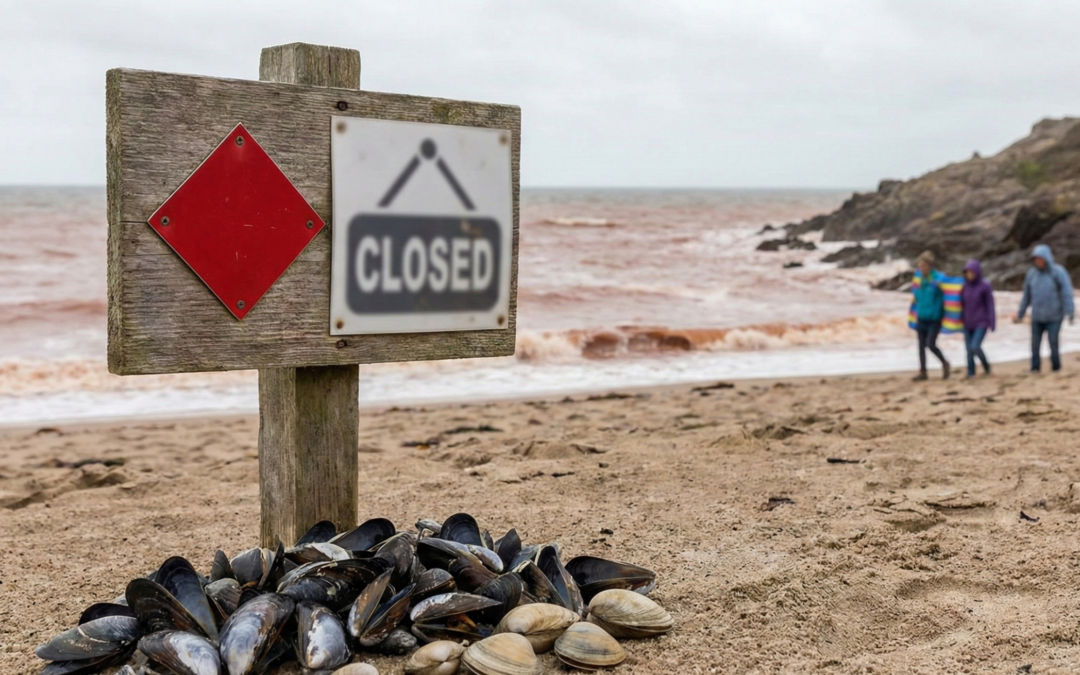
- Visible discoloration of coastal waters, ranging from red to brown or greenish hues
- Dead fish or marine animals washing ashore
- Unusual foam or froth on beach surfaces
- Foul odors emanating from affected water areas
- Official red tide warnings issued by local health or marine authorities
Local governmental agencies typically monitor water conditions and issue public health alerts when red tide threatens shellfish safety. Residents in coastal areas should remain vigilant about monitoring these official warnings and heeding all guidance provided by health authorities.
Safe Shellfish Sourcing During Red Tide Events
When red tide warnings are active, obtaining shellfish from reliable, regulated sources becomes paramount. Licensed commercial shellfish dealers operate under strict monitoring protocols and typically cease harvesting operations when harmful algal blooms are detected in their harvest zones. These establishments maintain proper documentation and traceability for all shellfish products.
Never harvest wild shellfish during red tide warnings, regardless of previous harvesting success in those locations. Recreational harvesting poses considerably higher risks than commercial sourcing, as individual harvesters lack access to comprehensive water quality testing and toxin monitoring equipment.
Symptoms of Shellfish-Related Toxin Poisoning
Recognizing the symptoms of biotoxin poisoning enables prompt medical intervention. Depending on the specific toxin involved, symptoms may manifest within 30 minutes to several hours following consumption. Common indicators include:
- Gastrointestinal symptoms: nausea, vomiting, abdominal cramps, and diarrhea
- Neurological symptoms: tingling lips and extremities, dizziness, and headaches
- Respiratory symptoms: shortness of breath and difficulty swallowing
- Memory disturbances and cognitive confusion (in cases of amnestic poisoning)
- Muscle weakness and paralysis in severe cases
If you suspect shellfish poisoning, contact emergency medical services immediately or visit the nearest hospital emergency department. Provide healthcare professionals with detailed information about what shellfish was consumed and when consumption occurred.
Best Practices for Shellfish Safety
Implementing comprehensive safety measures significantly reduces the risk of harmful algal bloom exposure. Essential practices include:
- Monitor local health department announcements and red tide alerts regularly
- Purchase shellfish exclusively from licensed, regulated commercial sources
- Avoid consuming shellfish harvested from unknown or unverified sources
- Never harvest shellfish from public beaches or coastal areas during red tide warnings
- Store purchased shellfish at appropriate temperatures and consume within recommended timeframes
- Educate family members and guests about red tide risks and proper shellfish handling
Resources for Red Tide Information and Monitoring
Staying informed about current red tide conditions is essential for coastal residents. Multiple resources provide real-time updates and safety guidance:
- Local and state health department websites and hotlines
- National Oceanic and Atmospheric Administration (NOAA) resources and forecasts
- Coastal state marine resource agencies
- Beach advisory notifications and public health alerts
- Commercial shellfish supplier information and sourcing documentation
Subscribing to local emergency alert systems ensures you receive timely notifications when red tide conditions affect your area.
Conclusion: Protecting Public Health Through Awareness
Red tide events represent unavoidable natural phenomena in many coastal regions, but proper knowledge and preventative measures substantially reduce associated health risks. By understanding the dangers of consuming shellfish during harmful algal bloom events, recognizing warning signs, obtaining shellfish from regulated sources, and remaining vigilant about official guidance, you can safely enjoy shellfish while protecting your family’s wellbeing.