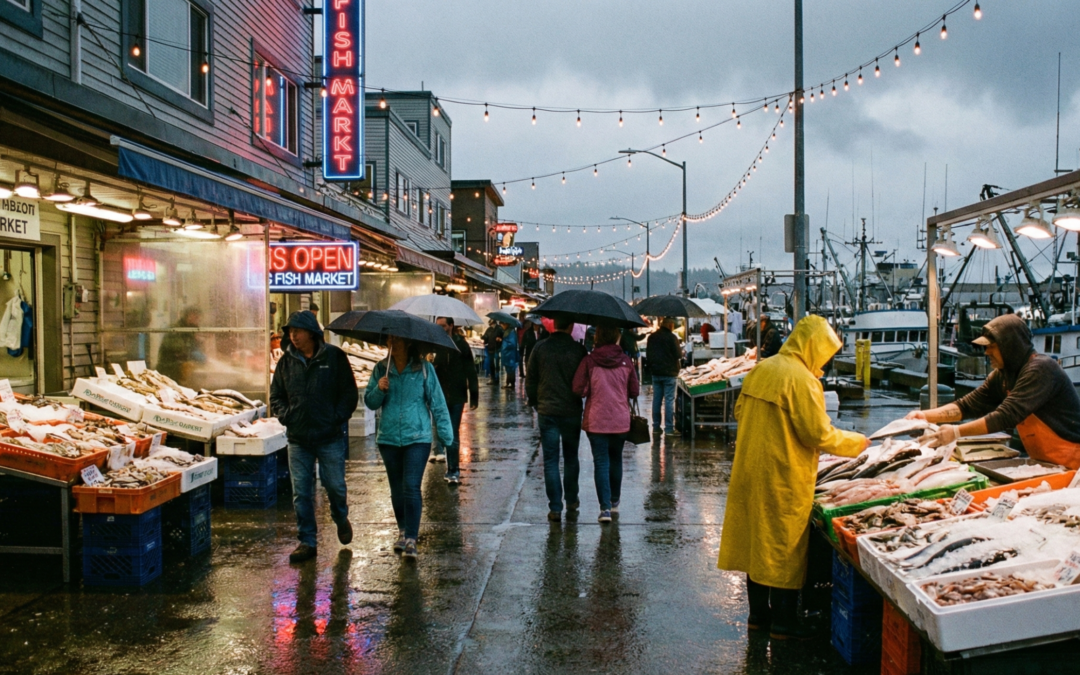
Seafood City represents a unique urban lifestyle that seamlessly blends coastal living with metropolitan convenience. Residents of seafood-centric cities enjoy access to fresh marine resources while maintaining the amenities and opportunities of urban environments. This guide explores the essential aspects of thriving in a seafood city and maximizing the benefits of waterfront living.
The Appeal of Seafood City Communities
Seafood cities have emerged as increasingly desirable destinations for individuals seeking a balance between natural beauty and modern infrastructure. The availability of fresh seafood, combined with vibrant community culture and economic opportunities, makes these locations particularly attractive to professionals, families, and retirees alike.
Economic Opportunities
Seafood-based industries provide substantial employment opportunities ranging from fishing and aquaculture to processing, distribution, and hospitality sectors. Beyond traditional marine industries, these communities often support thriving tourism, real estate, and service sectors that create diverse career paths for residents.
Health and Lifestyle Benefits
Living in a seafood city offers significant health advantages, including access to nutrient-rich marine proteins and omega-3 fatty acids. The coastal environment promotes outdoor activities, recreational opportunities, and a generally active lifestyle that contributes to overall wellness.
Navigating Weather Patterns: Rain and Climate Considerations
Many seafood cities experience substantial rainfall and variable weather patterns. Understanding local climate conditions is essential for successful adaptation to coastal living. Rain, while sometimes challenging, supports marine ecosystems and sustains the productivity that makes seafood cities economically viable.
Preparing for Rainy Seasons
- Invest in quality waterproofing and drainage systems for residential properties
- Maintain regular inspections of roofing and exterior structures
- Develop comprehensive emergency preparedness plans
- Keep appropriate insurance coverage for weather-related incidents
- Install proper ventilation to prevent moisture-related issues
Seasonal Weather Patterns
Most seafood cities experience distinct seasonal variations that affect both daily life and fishing seasons. Spring and fall typically bring peak rainfall periods, while summer months offer more stable conditions. Understanding these patterns helps residents plan outdoor activities, travel, and maintenance schedules more effectively.
The Seafood Industry and Local Economy
Seafood cities thrive because of robust marine harvesting and processing industries. These economic engines attract supporting businesses, skilled workers, and investment capital. The local economy benefits from both commercial fishing operations and the roe (fish eggs) industry, which has become increasingly valuable in global markets.
Understanding the Roe Market
Fish roe represents a premium product with significant commercial value, particularly in Asian markets and high-end culinary establishments. This specialty market creates additional economic opportunities for fishermen, processors, and entrepreneurs. The roe industry requires specialized knowledge, equipment, and quality control measures that contribute to local employment and economic growth.
Supporting Local Businesses
Residents can maximize their seafood city experience by engaging with local fisheries, markets, and restaurants. Supporting established businesses strengthens community economic resilience and ensures continued access to premium products at competitive prices.
Finding Housing and Real Estate in Seafood Cities
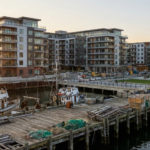
Real estate in seafood communities varies significantly based on proximity to waterfront areas, local economic conditions, and property amenities. Careful consideration of location, weather exposure, and long-term value appreciation is essential for making informed housing decisions.
Key Considerations for Property Selection
- Flood risk assessment and elevation above sea level
- Distance from commercial fishing operations and associated odors
- Access to schools, healthcare, and essential services
- Property condition and maintenance history
- Long-term appreciation potential and market trends
Community Integration and Social Life
Successful seafood city living depends heavily on community engagement and understanding local culture. These tight-knit communities often maintain strong traditions centered around maritime heritage and seasonal fishing cycles.
Building Community Connections
Newcomers to seafood cities benefit from actively participating in local events, markets, and cultural celebrations. Attending fishing festivals, farmers markets, and community gatherings accelerates integration and deepens appreciation for local traditions and values.
Practical Tips for Thriving in a Seafood City
Success in seafood city living requires practical preparation and realistic expectations about the unique challenges and opportunities these locations present.
Essential Lifestyle Adjustments
- Develop weather-appropriate clothing and gear for rainy climates
- Establish relationships with reliable local service providers
- Learn about local fishing seasons and product availability
- Participate in community initiatives and volunteer opportunities
- Maintain flexible work arrangements when possible
- Embrace outdoor activities suited to coastal conditions
Maximizing Fresh Seafood Access
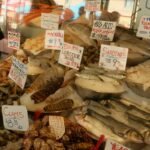
Establish direct relationships with local fisheries and suppliers to ensure consistent access to quality seafood at favorable prices. Many seafood cities feature fisherman’s markets where residents can purchase directly from harvesters, ensuring freshness and supporting local livelihoods simultaneously.
Conclusion
Rain and Roe exemplify the distinctive character of seafood city living—a lifestyle where challenging weather patterns coexist with abundant natural resources and vibrant economic opportunity. By understanding local conditions, engaging authentically with the community, and making informed decisions about housing and employment, residents can build fulfilling lives in these dynamic coastal environments. Seafood cities offer unique rewards for those willing to embrace their distinctive rhythms and contribute meaningfully to their thriving communities.