The Pacific Northwest represents a distinctive lifestyle characterized by natural beauty, culinary excellence, and a deep connection to regional traditions. From Seattle to Portland, and beyond, residents of this remarkable region have cultivated a unique culture that celebrates two essential elements: exceptional coffee and pristine seafood. These staples are not merely food and beverage choices; they are integral components of the Pacific Northwest identity.
The Coffee Culture Revolution
The Pacific Northwest has established itself as the global epicenter of specialty coffee culture. What began in the 1970s has evolved into a sophisticated movement that emphasizes quality, sustainability, and artisanal craftsmanship. Coffee is more than a morning necessity in this region—it represents a commitment to excellence and a celebration of community.
Specialty Coffee and Craftsmanship
The region’s coffee scene is distinguished by its dedication to sourcing premium beans from carefully selected origins. Local roasteries prioritize direct relationships with farmers, ensuring fair trade practices and superior quality. This commitment to transparency and ethical sourcing has become the standard rather than the exception in Pacific Northwest establishments.
Independent coffee shops serve as gathering places where residents engage in meaningful conversation and conduct business. These establishments typically feature knowledgeable baristas trained in advanced brewing techniques, from pour-overs and French presses to espresso preparation. The meticulous attention to detail in every cup reflects the region’s broader values of craftsmanship and excellence.
The Third Wave Movement
The Pacific Northwest has been instrumental in advancing the “third wave” coffee movement, which emphasizes single-origin beans, precise brewing temperatures, and individualized flavor profiles. This approach transforms coffee consumption into an experiential practice, where enthusiasts appreciate the nuanced characteristics of different regions and processing methods.
Fresh Seafood: A Culinary Treasure
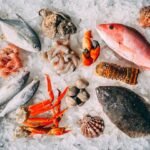
The Pacific Northwest’s proximity to the Pacific Ocean provides unparalleled access to exceptional seafood. This geographical advantage has fostered a vibrant fishing industry and created a culinary culture centered on fresh, sustainable marine products. From wild salmon to Dungeness crab, the region’s seafood offerings are renowned worldwide.
Wild Salmon: The Regional Icon
Pacific Northwest salmon, particularly wild-caught varieties, stand as the region’s most celebrated seafood. These fish, including Chinook, Sockeye, Coho, and Pink salmon species, undertake remarkable migrations and develop rich, distinctive flavors. The region’s commitment to sustainable fishing practices ensures that future generations can continue enjoying these magnificent fish.
Local restaurants and markets showcase salmon in diverse preparations—from traditional smoking methods that honor indigenous cooking traditions to contemporary culinary innovations. The seasonal availability of different salmon species creates anticipation and celebration throughout the year as each variety reaches peak freshness and flavor.
Additional Seafood Delicacies
Beyond salmon, the Pacific Northwest offers an impressive array of seafood treasures:
- Dungeness Crab: Known for sweet, delicate meat, these crustaceans are particularly prized during winter months and feature prominently in regional cuisine.
- Pacific Halibut: This firm, mild-flavored flatfish provides versatile culinary applications and remains a staple in local kitchens and restaurants.
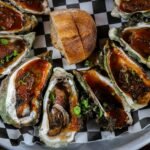
- Oysters and Clams: Puget Sound and coastal waters produce exceptional bivalves, often enjoyed fresh on the half shell or incorporated into traditional dishes.
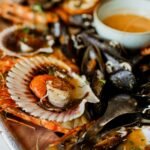
- Sea Urchin and Mussels: These delicacies attract culinary enthusiasts and contribute to the region’s reputation for sophisticated seafood offerings.
Sustainable Fishing Practices
The Pacific Northwest fishing community has embraced sustainable practices that balance commercial interests with environmental stewardship. Local fisheries implement strict catch limits, seasonal restrictions, and habitat protection measures. This commitment ensures that seafood production remains viable while preserving marine ecosystems for future generations.
The Intersection of Coffee and Seafood Culture
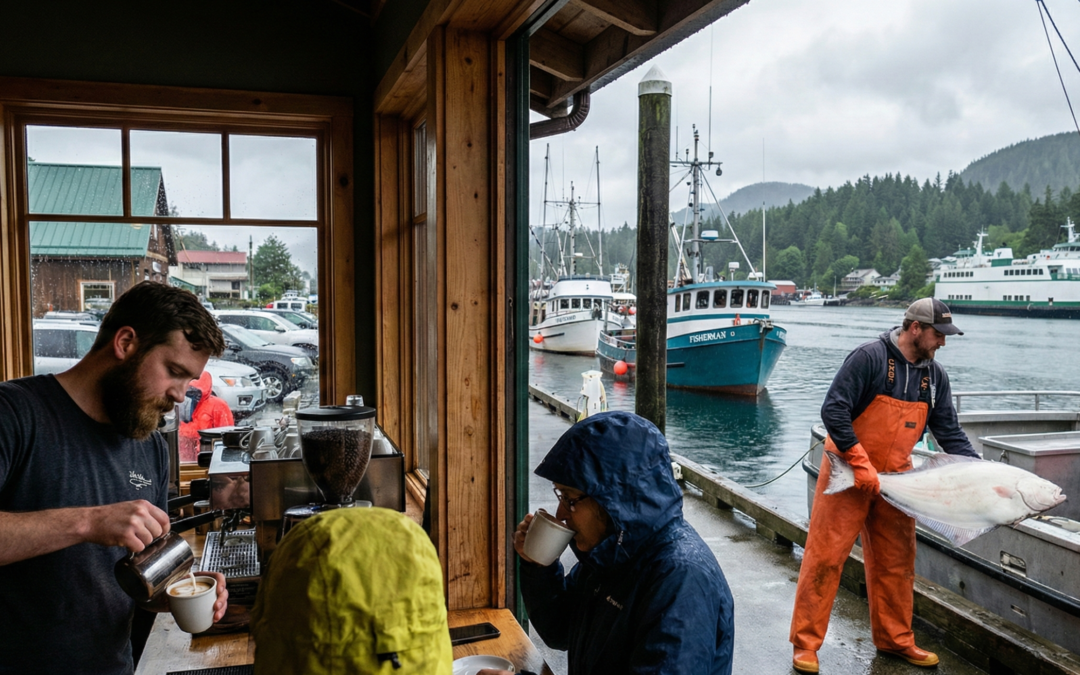
While seemingly distinct, coffee and seafood culture intersect meaningfully in Pacific Northwest living. Early morning fishing expeditions begin with freshly brewed coffee, while waterfront cafes serve specialty coffee to visitors enjoying fresh crab and oysters. This harmonious blend reflects the region’s integrated approach to food, community, and quality of life.
Dining and Social Experiences
The Pacific Northwest has developed a distinctive dining culture that emphasizes local sourcing, seasonal menus, and farm-to-table principles. Restaurants throughout the region feature coffee-infused dishes, seafood preparations, and culinary innovations that celebrate regional ingredients. Casual waterfront establishments and upscale dining destinations alike prioritize freshness and quality.
Farmers Markets and Local Establishments
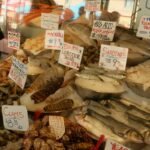
Farmers markets, fish markets, and independent retailers form the backbone of local food culture. These venues connect producers directly with consumers, fostering relationships and ensuring access to the freshest available products. Weekend market visits have become cultural traditions for many residents.
Lifestyle and Values
Coffee and seafood represent broader Pacific Northwest values including sustainability, quality, community engagement, and respect for natural resources. This lifestyle emphasizes balance between urban sophistication and outdoor recreation, between culinary excellence and environmental responsibility.
Residents of the Pacific Northwest have cultivated a distinctive way of life that honors tradition while embracing innovation. The region’s commitment to exceptional coffee and pristine seafood reflects a deeper dedication to living well, supporting local communities, and maintaining connections to the natural world that sustains the region.