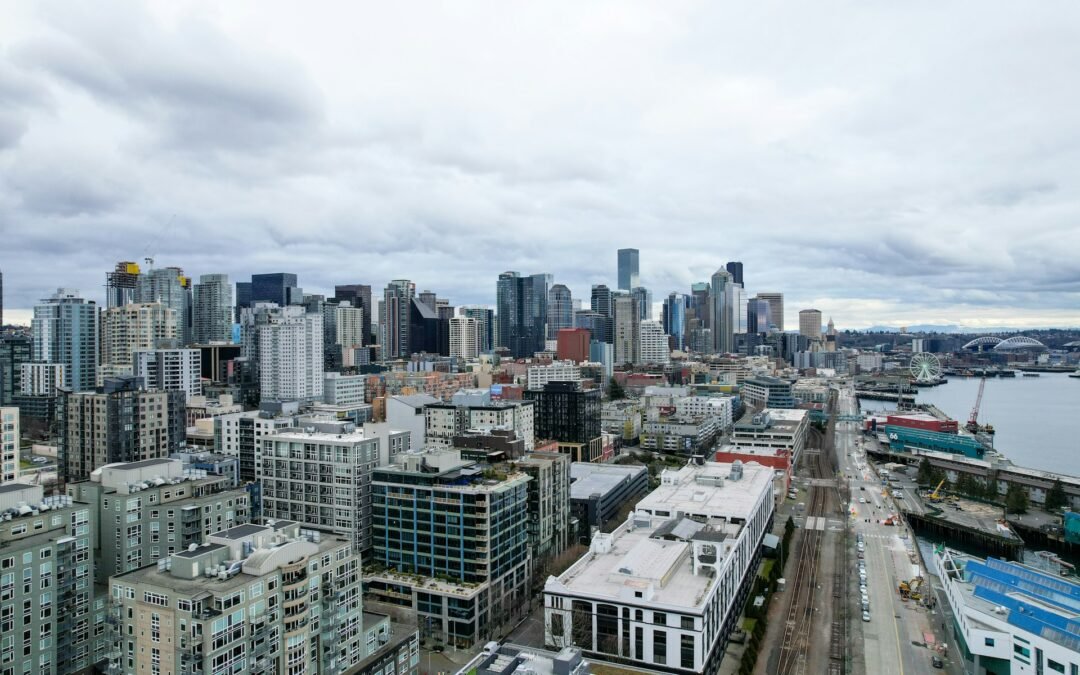
Modern Seattle stands at a crossroads, a vibrant hub of innovation and culture whose rapid growth in recent decades has ushered in major transformations. Once rooted in maritime trade, aerospace, and coffee culture, the city is now a global center for technology, science, and diverse cultural life. Its economy attracts talent from around the world, while its neighborhoods adapt to shifting demographics, housing needs, and infrastructure demands. Yet with growth come both opportunities and challenges, from housing affordability and transportation planning to preserving the character of historic districts. Understanding how Seattle is changing today offers insight into how a Pacific Northwest city balances innovation and sustainability while remaining true to its unique identity.
Economic Evolution: From Industry to Innovation
Seattle’s modern growth is deeply tied to its economic evolution. In the late 20th and early 21st centuries, the region became a magnet for tech talent and investment, spurred by giants like Amazon and Microsoft establishing roots in the area. Technology, life sciences, and aerospace continue to drive employment and economic output, helping make Seattle one of the most competitive metropolitan economies in the United States.
At the same time, trade and global logistics remain essential; the Port of Seattle plays a key role in commerce with Asia and Alaska, linking the city’s historic maritime past with its modern economy. Although some sectors have seen fluctuations, for example, recent layoffs in tech highlighted vulnerabilities tied to global economic shifts, the overall trend remains toward diversification and resilience.
Population Growth and Urban Density
Seattle’s population has consistently increased over the last decade, making it one of the fastest-growing major cities in the country. Recent estimates show the population exceeding 800,000, with continued expansion expected as people are drawn by job opportunities, amenities, and quality of life.
To manage this growth, the city has emphasized transit-oriented development, encouraging housing and jobs along Link light rail lines and emerging urban centers while aiming to reduce sprawl and connect communities more sustainably. These planning strategies aim to balance density with access to services, though implementation remains an ongoing challenge.
Housing, Affordability, and Community Tensions
Rapid growth has also intensified housing pressures in Seattle. Demand for housing has pushed prices upward, prompting policy responses, affordable housing developments, and debates over zoning. Efforts to create more affordable units have seen progress, with construction rising recently to help meet the need amid sharply rising living costs.
At the same time, discussions about urban tree canopy protection and neighborhood character reflect broader tensions between development and preservation. Some residents worry that aggressive growth may compromise green space, historic identity, and social equity, key aspects of Seattle’s character.
Infrastructure, Mobility, and Future Outlook
Investments in transit, including light rail expansion, reflect a city adapting its infrastructure to modern demands. Connecting neighborhoods and job centers with sustainable transit helps reduce traffic congestion and supports equitable growth.
Looking ahead, Seattle’s growth trajectory is likely to continue balancing innovation with community values. With economic diversification, thoughtful planning, and an engaged citizenry, the city seeks to grow in ways that enhance quality of life while preserving the qualities that make it unique.
Conclusion
Modern Seattle’s growth is a story of transformation and tension, a city propelled by innovation, geography, and global connectivity, yet grounded in community and cultural heritage. Its expanding economy, driven by technology, trade, and research, brings opportunities that attract residents and businesses from around the world. At the same time, rising housing costs, infrastructure demands, and environmental concerns remind us that rapid growth must be managed thoughtfully. The future of Seattle depends on striking a balance: leveraging economic momentum while ensuring that growth benefits diverse communities and preserves the natural beauty and cultural fabric that define the city. By addressing these challenges with inclusive planning and sustainable policies, Seattle can remain both a dynamic urban center and a beloved place to live, work, and explore.
Photo by Zoshua Colah on Unsplash