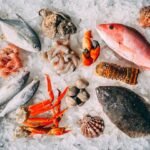

In Seattle, seafood is more than a popular menu choice; it is a defining part of the city’s coastal identity. Shaped by rain, rugged shorelines, and the nutrient-rich waters of Puget Sound, Seattle has long depended on the sea for food, livelihoods, and cultural traditions. From Indigenous fishing practices to bustling waterfront markets, seafood has connected generations to the region’s marine environment. Today, Seattle’s diverse food scene features a combination of locally sourced seafood and imported options from around the world. While both play important roles in meeting demand and offering culinary variety, they differ in freshness, sustainability, environmental impact, and cultural significance. Understanding the contrast between local and imported seafood allows diners to make informed choices that support regional fisheries while appreciating global flavors. Exploring these differences also reveals how Seattle balances tradition, sustainability, and modern consumption in a city deeply tied to the water.
What Defines Local Seafood in Seattle
Local seafood in Seattle typically comes from nearby waters such as Puget Sound, the Strait of Juan de Fuca, and the broader Pacific Northwest, including Alaska. Common local species include wild salmon, halibut, Dungeness crab, spot prawns, oysters, clams, and mussels. These products often travel a short distance from boat to market, preserving freshness and natural flavor. Local seafood is also highly seasonal, encouraging consumers to eat in harmony with fishing cycles and marine conservation efforts.
Benefits of Choosing Local Seafood
One of the strongest advantages of local seafood is quality. Shorter transportation times help maintain texture, taste, and nutritional value. Choosing local also supports regional fishermen, processors, and coastal communities whose livelihoods depend on sustainable fishing practices. In addition, fisheries in the Pacific Northwest are among the most strictly regulated in the world, making local seafood easier to trace and often more environmentally responsible. For many Seattle residents, buying local seafood is both a practical and ethical decision.
The Role of Imported Seafood
Imported seafood plays an essential role in Seattle’s food supply, especially for species not found in local waters. Shrimp, tropical fish, and certain specialty products are brought in from other regions and countries to meet year-round demand. Imported seafood allows restaurants to offer consistent menus and diverse flavors regardless of local fishing seasons. However, long transportation distances, freezing, and processing can affect freshness and environmental impact. Quality and sustainability vary widely depending on the source and handling practices.
Taste, Cost, and Sustainability Considerations
Local seafood often delivers a cleaner, fresher taste that reflects the cold waters of the Pacific Northwest. Imported seafood can be more affordable and widely available, but transparency around sourcing is not always guaranteed. Sustainability is a key factor in choosing between the two. While some imported fisheries follow responsible standards, local seafood generally offers clearer traceability and stronger environmental oversight, making it a preferred option for conscious consumers.
Conclusion
In Seattle, the choice between local and imported seafood reflects personal values as much as flavor preferences. Local seafood offers freshness, seasonal variety, and a deep connection to the region’s maritime heritage while supporting sustainable fisheries and local economies. Imported seafood contributes diversity and accessibility, helping Seattle maintain a globally influenced culinary scene. By understanding where seafood comes from and how it is harvested, diners can make thoughtful choices that balance convenience with environmental responsibility. Choosing local when possible and being mindful about sustainably sourced imports helps preserve ocean ecosystems and long-standing traditions. Ultimately, both local and imported seafood have a place at the table, but informed decisions ensure that Seattle’s long-standing relationship with the sea continues to thrive for generations to come.
Photo by Leo_Visions on Unsplash