Cedar plank cooking represents a culinary technique with deep historical roots in Indigenous cultures of the Pacific Northwest. This ancient method involves cooking food directly on a specially prepared wooden plank, typically cedar, which imparts distinctive flavors while ensuring even heat distribution. The practice has experienced a notable resurgence in contemporary kitchens, as home cooks and professional chefs alike seek to combine traditional cooking methods with modern culinary sensibilities.
The technique is not merely a cooking method but rather a cultural practice that reflects the resourcefulness and environmental knowledge of Indigenous peoples. Cedar, a wood native to Pacific Northwest regions, possesses unique properties that make it ideal for this cooking application. The wood’s natural oils and aromatic qualities enhance food flavors without requiring additional seasoning, while its density prevents rapid combustion, allowing for controlled, indirect heat cooking.
Historical Significance and Cultural Heritage
Indigenous communities, particularly the Tlingit, Haida, and Kwakwaka’wakw peoples, developed cedar plank cooking as a practical and sustainable approach to food preparation. This method was integral to their culinary traditions for centuries, often employed for preparing salmon and other protein sources. The technique demonstrates sophisticated environmental knowledge and represents an important aspect of Indigenous food sovereignty and cultural identity.
The preparation of cedar planks itself constituted a specialized skill, passed down through generations. Craftspeople would carefully select, harvest, and prepare cedar wood according to specific criteria, ensuring optimal cooking properties and flavor characteristics. This practice exemplified the Indigenous principle of utilizing natural resources sustainably while maximizing food quality and cultural significance.
The Science Behind Cedar Plank Cooking
The effectiveness of cedar plank cooking relies on several scientific principles. When moistened cedar is heated, it produces steam that envelops the cooking food, creating a humid cooking environment that prevents drying while allowing smoke infusion. The wood’s aromatic compounds—including volatile oils—release during heating and penetrate the food, creating complex, distinctive flavor profiles.
The plank itself functions as a heat diffuser, preventing direct flame contact and distributing heat evenly across the food’s surface. This indirect cooking method results in more uniform cooking and reduces the risk of burning. Additionally, the wood’s insulating properties maintain consistent temperatures, enabling precise cooking control despite external heat variations.
Selecting and Preparing Cedar Planks
Proper plank selection is fundamental to successful cedar plank cooking. When choosing planks, consider the following criteria:
- Wood thickness: Select planks between one-quarter and one-half inch thick
- Grade quality: Choose untreated, food-safe cedar without chemical coatings
- Source verification: Obtain planks from reputable suppliers specializing in cooking-grade wood
- Storage conditions: Keep planks in cool, dry environments to prevent degradation
Before cooking, prepare the plank by soaking it thoroughly in water or broth for a minimum of two hours. This soaking process serves multiple purposes: it prevents the plank from igniting during cooking, increases steam production for humidity control, and ensures optimal flavor infusion. Some culinary practitioners recommend soaking planks overnight for enhanced results, particularly when preparing delicate proteins.
Essential Cooking Techniques
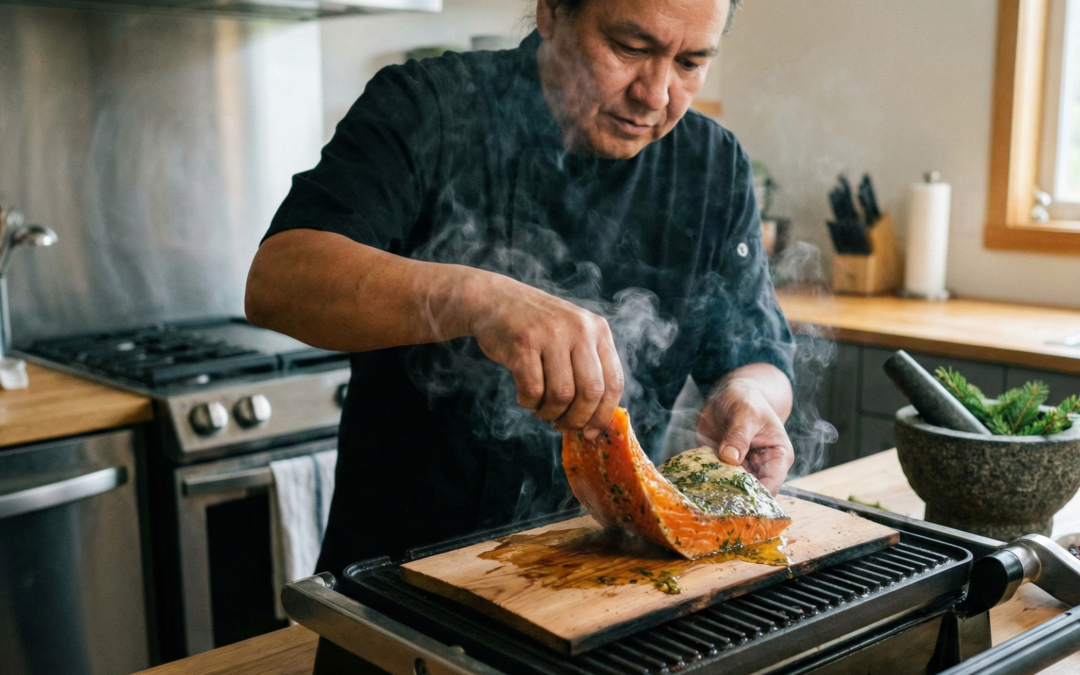
Successful cedar plank cooking requires attention to specific procedural steps. Begin by preheating your cooking surface—whether a grill, oven, or outdoor fire—to moderate temperatures between 350 and 400 degrees Fahrenheit. Place the soaked plank directly on the heat source and allow it to preheat for approximately five to ten minutes until it becomes aromatic.
Position your prepared food on the plank’s center, ensuring adequate spacing from edges. Season according to preference, remembering that cedar’s natural flavors may reduce the need for heavy seasoning. Monitor cooking progress throughout the process, as cooking times vary depending on protein type, thickness, and ambient temperature conditions.
The cooking process typically requires minimal intervention. However, periodically checking food advancement and adjusting heat if necessary ensures optimal results. Cooking is complete when the food reaches appropriate internal temperatures and exhibits desired texture characteristics.
Ideal Foods for Cedar Plank Preparation
While cedar plank cooking traditionally featured salmon and other seafood, the technique accommodates a diverse range of proteins and vegetables. Suitable foods include:
- Fish varieties: salmon, halibut, trout, and other firm-fleshed species
- Poultry: chicken breasts, cornish hens, and other bird varieties
- Vegetables: asparagus, zucchini, bell peppers, and root vegetables
- Shellfish: scallops, shrimp, and other seafood options
The cedar’s aromatic properties complement delicate proteins particularly well, enhancing natural flavors without overpowering subtle taste profiles. Vegetables gain subtle smoky notes while remaining tender, creating sophisticated accompaniments to primary proteins.
Health and Sustainability Considerations
Cedar plank cooking offers several health advantages. The method requires minimal added fats, as the wood’s natural moisture prevents sticking without oil application. Additionally, the cooking process preserves nutritional compounds more effectively than high-heat direct cooking methods, maintaining essential vitamins and minerals within prepared foods.
From an environmental perspective, cedar plank cooking represents a sustainable practice when sourced responsibly. Supporting suppliers who harvest cedar sustainably ensures this traditional technique does not compromise forest ecosystems. Furthermore, the practice honors Indigenous culinary knowledge and contributes to cultural preservation and appreciation.
Integration into Modern Culinary Practice
Contemporary chefs and home cooks increasingly incorporate cedar plank cooking into their culinary repertoire, recognizing its unique contributions to flavor development and cooking efficiency. The technique aligns with contemporary culinary trends emphasizing natural ingredients, minimal processing, and sustainable practices. Furthermore, the method creates visually appealing presentations, with food cooked directly on aromatic wood creating memorable dining experiences.
Cedar plank cooking transcends mere technique, offering an opportunity to engage with cultural heritage while enjoying exceptional culinary results.